




How Do You Layer Lighting? The 3 Layers of Lighting Explained
Ambient, accent, and task lighting form the three essential LED light layers. Learn how to combine them to create luxurious modern home designs.
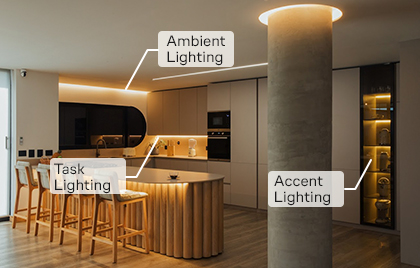
- -Combining ambient, accent, and task lighting—also known as the three layers of lighting—creates a well-designed space that is both fully functional and visually appealing.
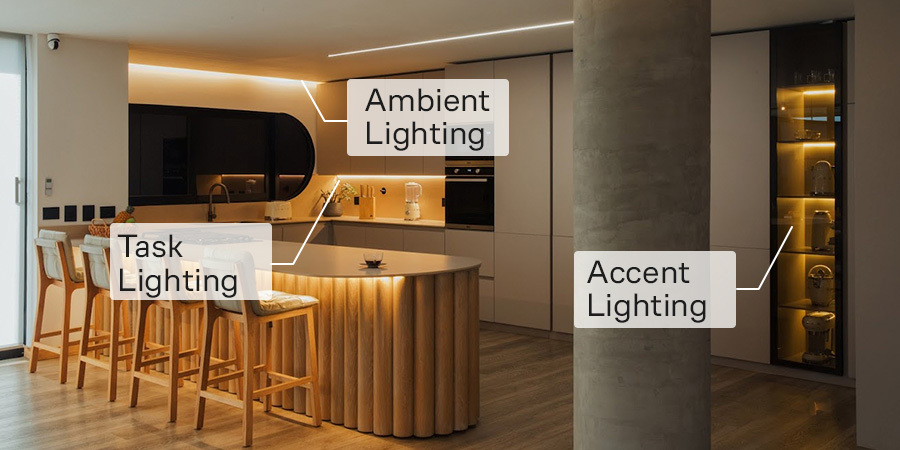
- -Ambient Lighting is the foundation of your room, providing a uniform glow that supports safe movement and comfort.
- -Focused task lighting is essential for clarity and precision in activities, making chores easier and more comfortable.
- -Accent Lighting adds visual interest and highlights specific features within a space, enhancing the overall aesthetic.
Walk into any room in your home. If you're a passionate reader, maybe you chose your study; if you love cooking and the colors of every ingredient in your pantry, you probably headed to the kitchen. Now turn on the lights you have there, one by one. Pause for a moment and notice how the space begins to feel more complete as each light adds its own contribution.
What you just experienced is exactly why layered lighting matters. It's an approach that strategically combines ambient, accent, and task lighting in a space not only to make it look more elegant and visually interesting, but also to meet the many lighting needs a real room has when you're living in it, whether you're relaxing or getting things done.
In this article, we'll briefly recap what each of these three lighting layers contributes to a well-designed space and walk through a simple step-by-step approach to combining them so you can make the most of every room in your home.
What Does It Mean to Layer Your Lighting?
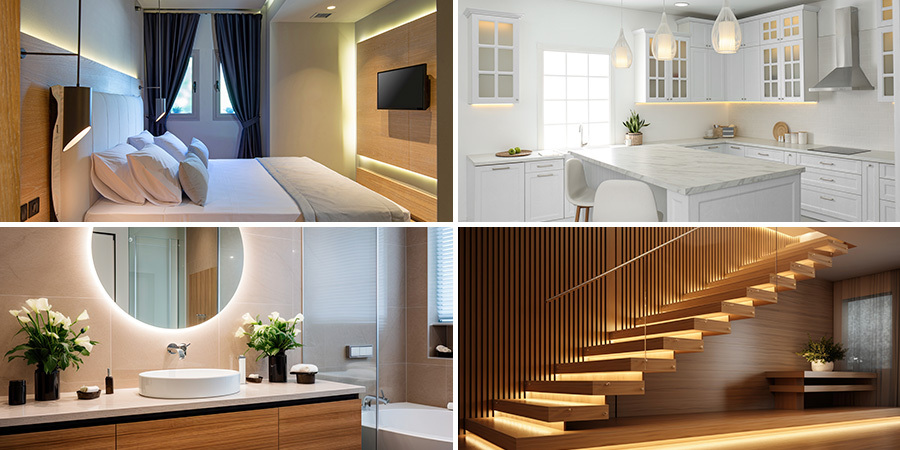
Picture lighting like putting together an outfit. You wouldn't wear a heavy winter coat with nothing underneath, right? Or pile on accessories without the basics, or go for a dull, one-tone look with nothing to stand out. That's why you usually wear layers of clothes. The same thing happens with lighting, and that's why we talk about layered lighting.
Layering lighting simply means giving a room more than one job for light to do. Instead of asking a single overhead fixture to handle everything, you let different lights step in depending on what's happening in the space. Likewise, relying only on decorative lights that look nice but barely illuminate—or lights meant solely for work—often leaves a room feeling flat or impractical.
What Are the Three Layers of Light?
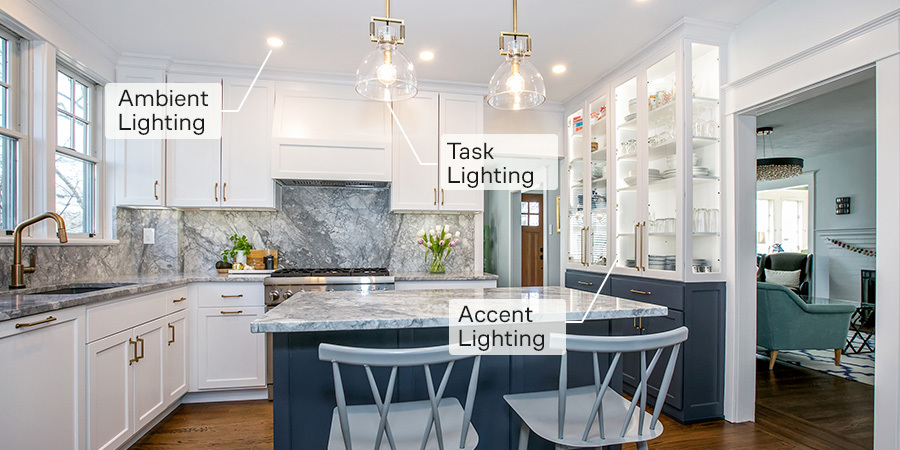
Think about a typical evening when you finally sneak into your bedroom: You turn on a general light as you walk in, switch on the bedside lamp to read, and maybe notice a soft glow highlighting a family picture before drifting off. Once you start paying attention, you'll notice that, if that room is well-lit, it almost always relies on those three types of lighting working together.
Each of those lights serves a different purpose, and together they make the room feel more comfortable, practical, and visually interesting. Those roles aren't random, though—they fall into three distinct categories, also known as layers of light: ambient, task, and accent lighting.
What Is Ambient Lighting?
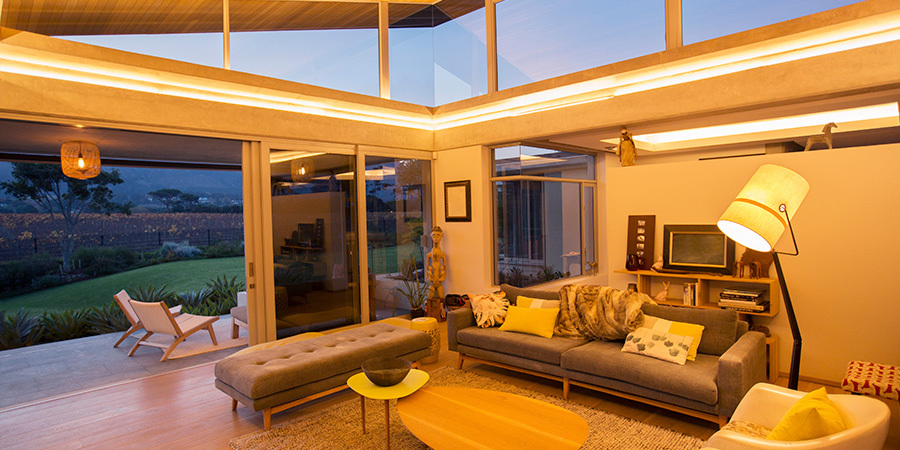
Ambient lighting will be the base of your scheme, what we call the "room light." It's usually the first switch you flip when you walk into a dark house or room. Its job is to provide a uniform, balanced glow that lets you move safely through a space or just be in it without bumping into furniture.
Think about the light you turn on in the living room when you lie back on the couch or in bed scrolling through your phone. Or the one you use to unpack groceries in the garage or the kitchen after getting home from the supermarket, or to gather the toys scattered around your child's playroom.
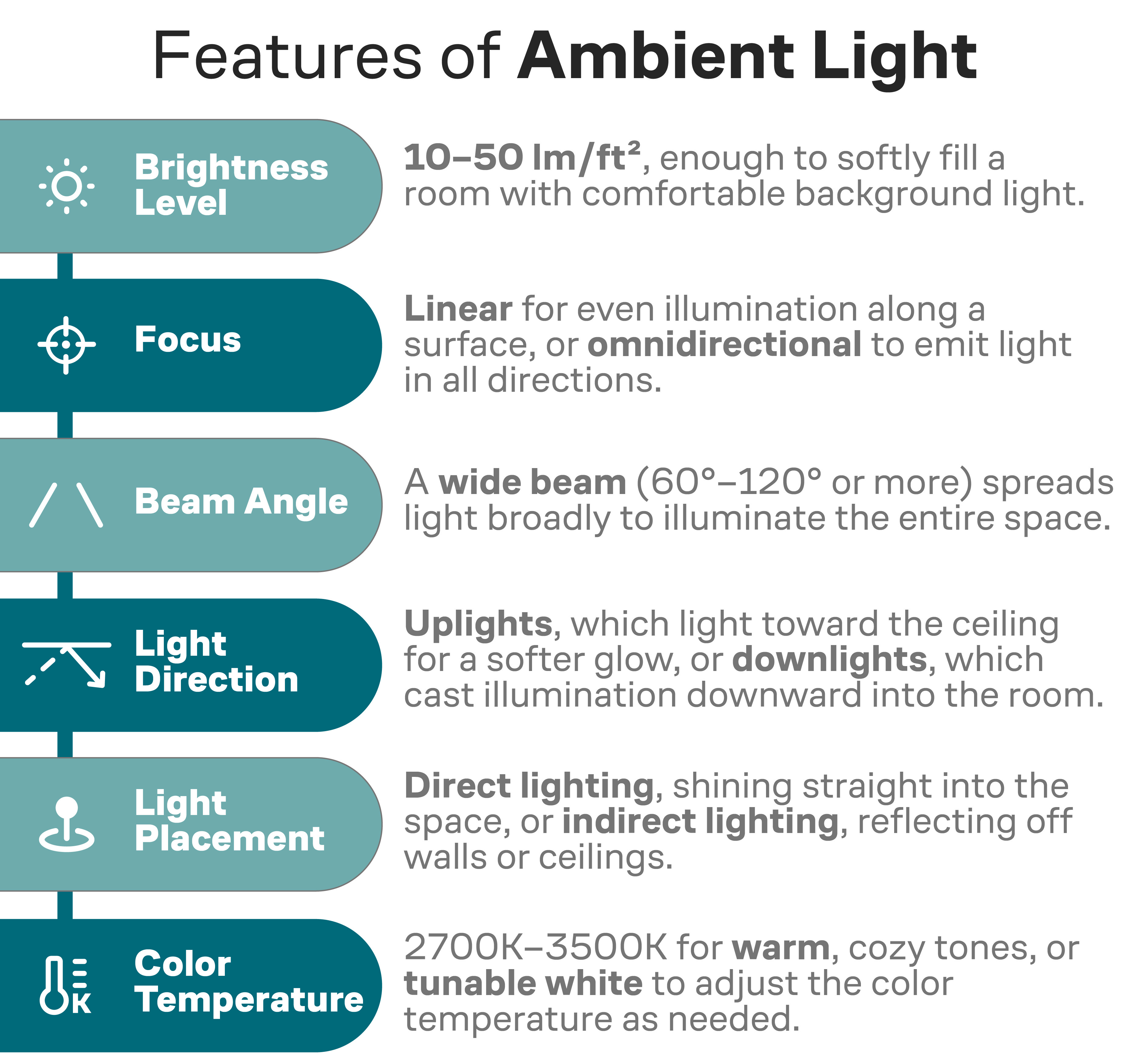
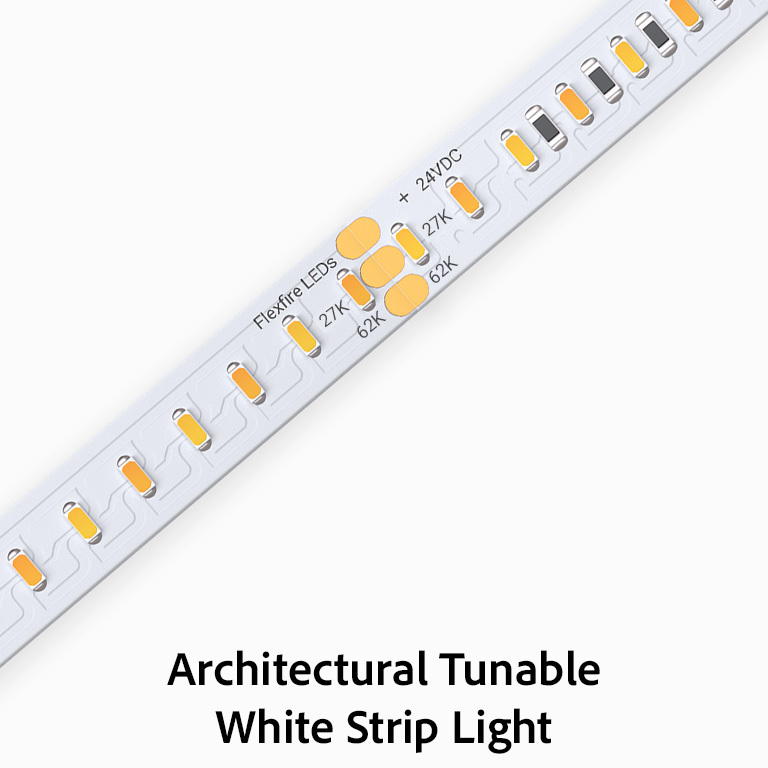
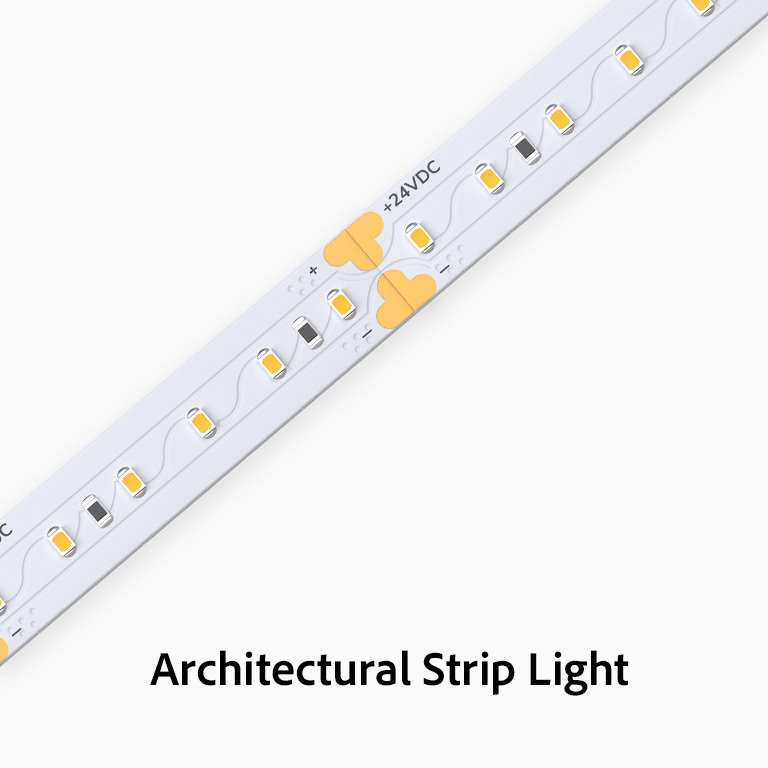
Popular Applications: Recessed ceiling cans, floor or bedside lamps, large central chandeliers, or LED cove lighting that bounces light off the ceiling. Flexfire's top product choices for this type of lighting are:
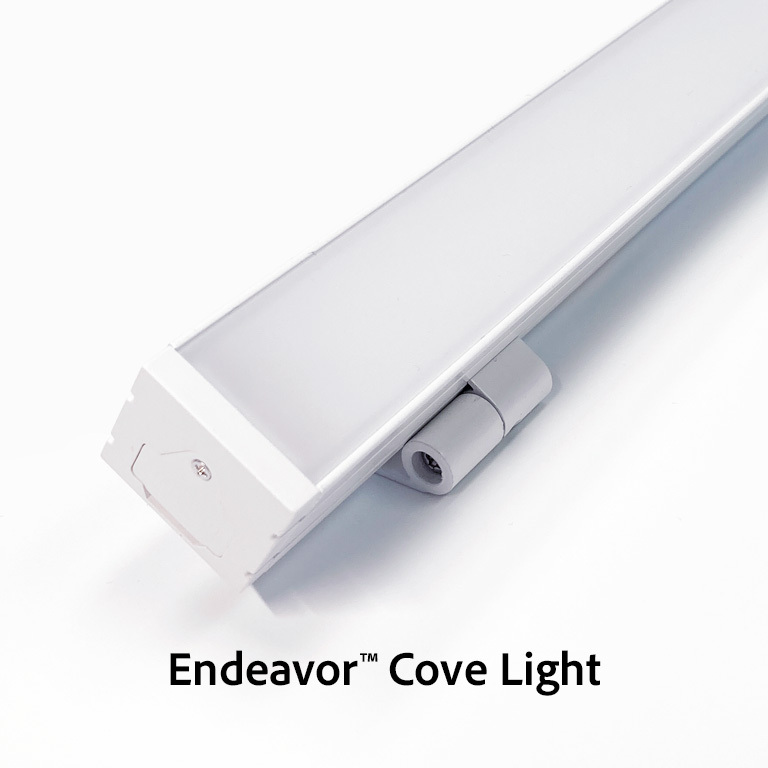
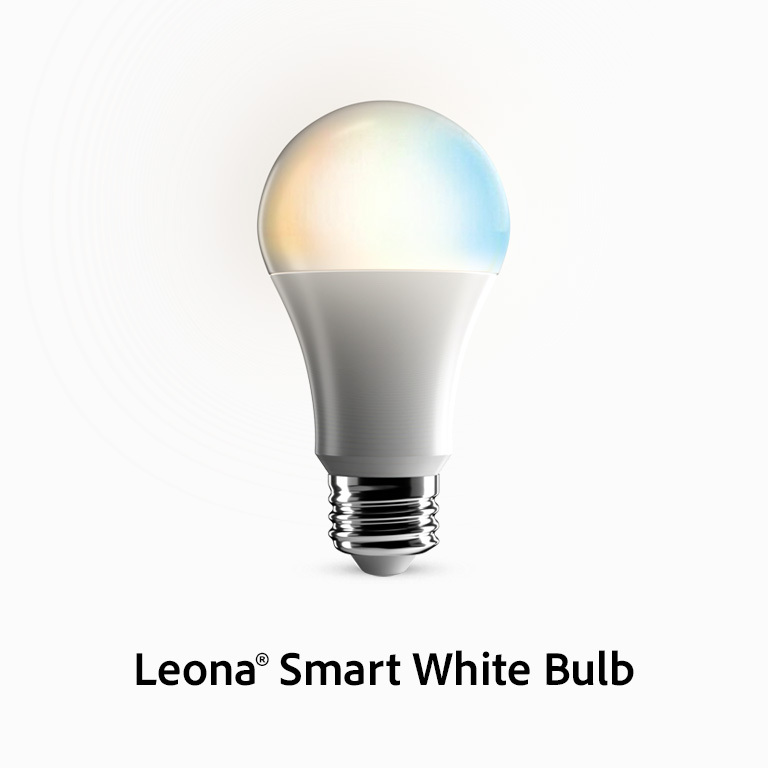
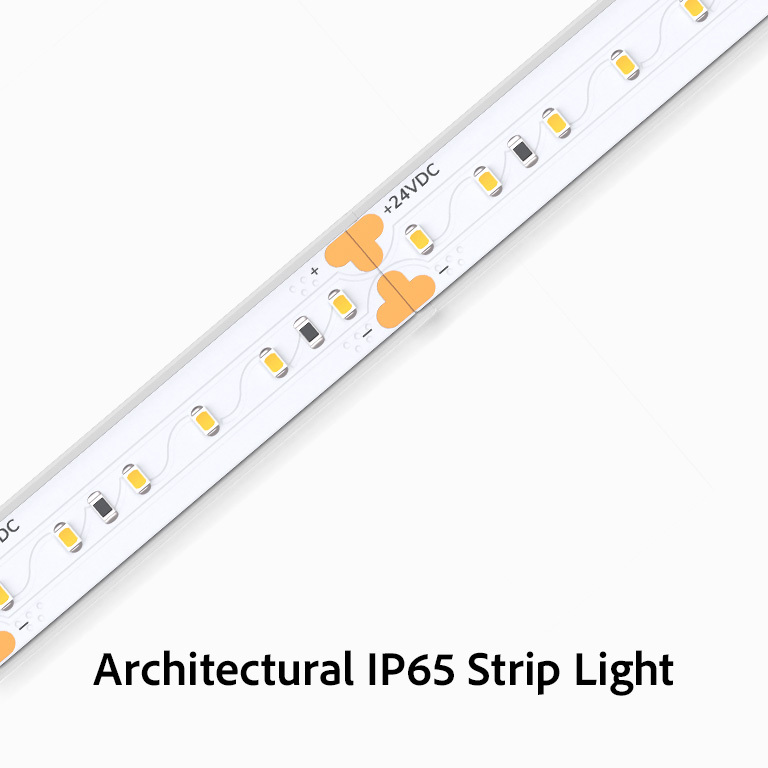
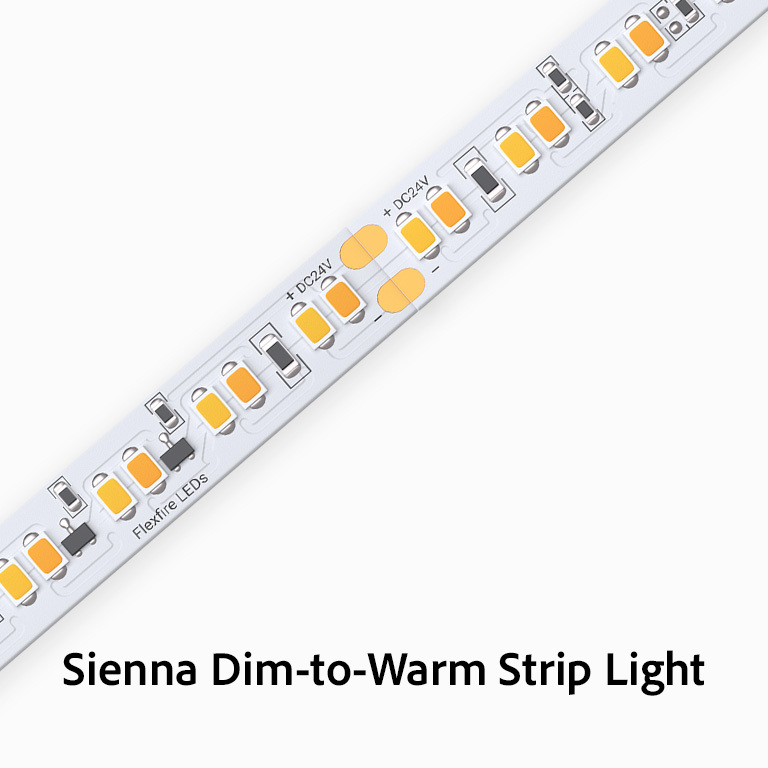
What Is Task Lighting?
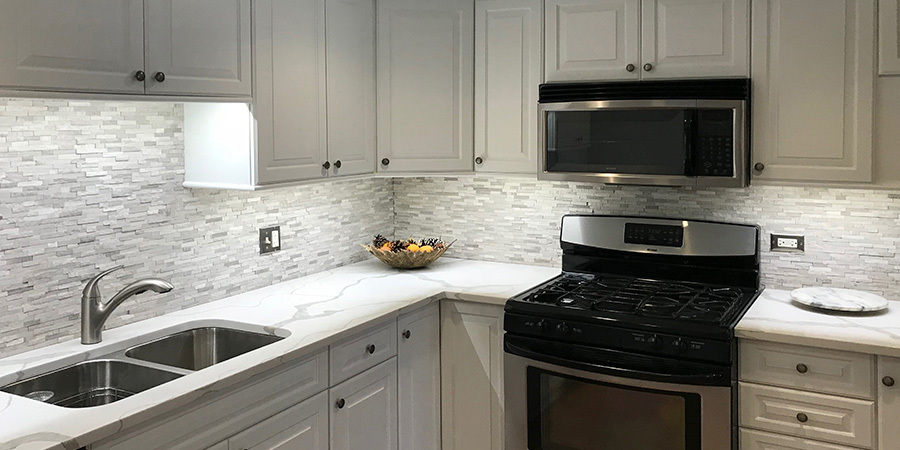
Task lighting is designed for work that requires clarity, precision, and your attention. Without it, everyday chores often become more difficult than they should be—or even impossible to accomplish comfortably. Who hasn't tried to prepare dinner in a kitchen where the overhead light leaves the countertop in shadow? Or attempted to knit in the living room with only the chandelier above as a light source?
Task lighting solves this problem by placing focused light exactly where activities happen. It relies on strategic placement and is essential for people working from home, children doing homework after school, cooking enthusiasts, and really anyone on a daily basis.
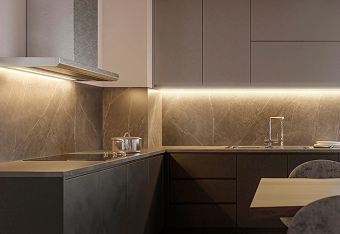
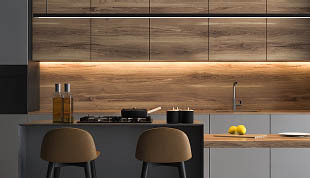
Examples include lights above kitchen counters, desk lamps in home offices, wall sconces on each side of a vanity mirror, and reading lights placed next to sofas or beds.
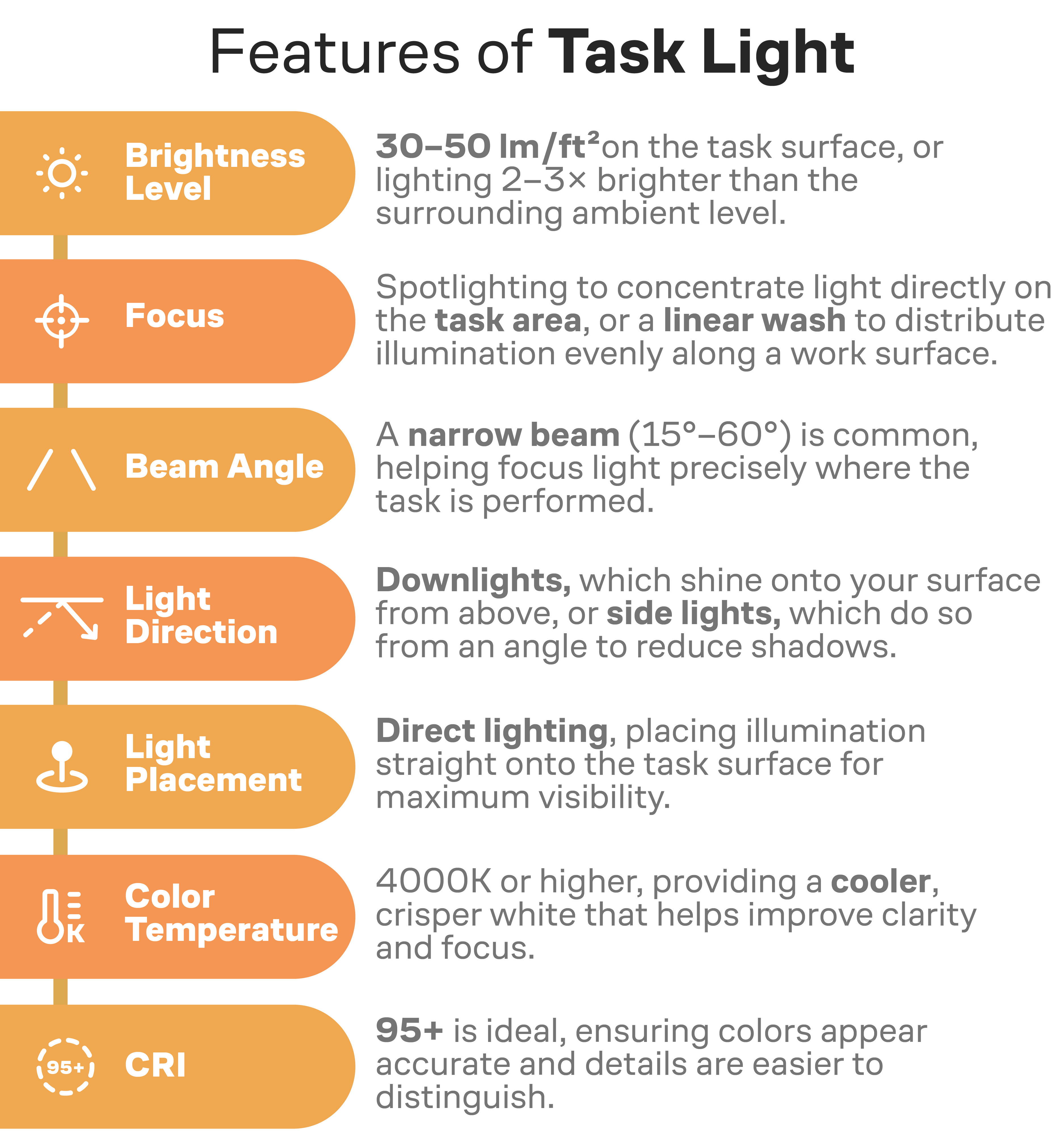
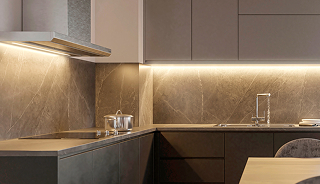
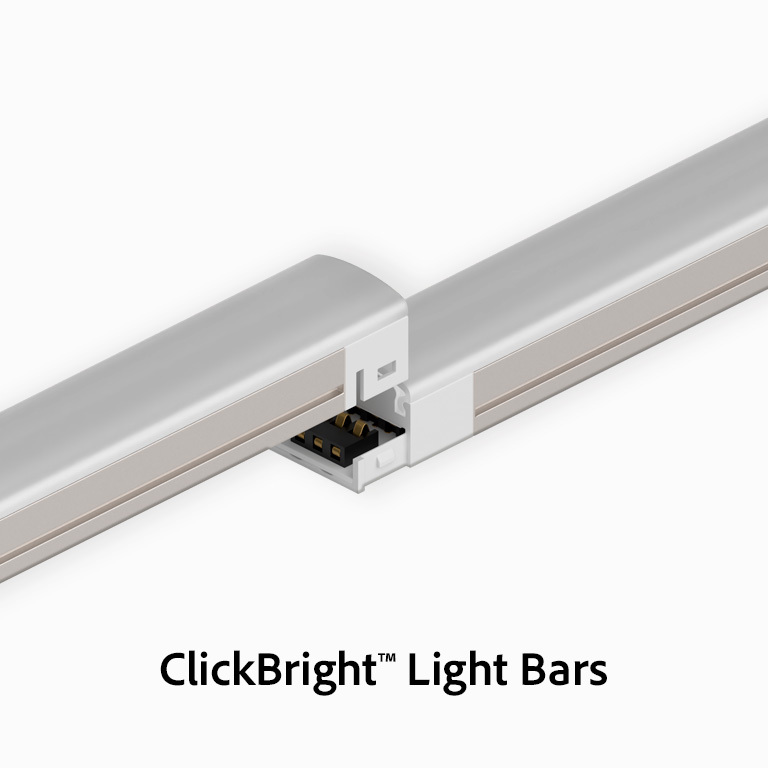
Popular Applications: Under-cabinet lighting and other focused fixtures above work surfaces. Flexfire recommends these products for task lighting:
What Is Accent Lighting?
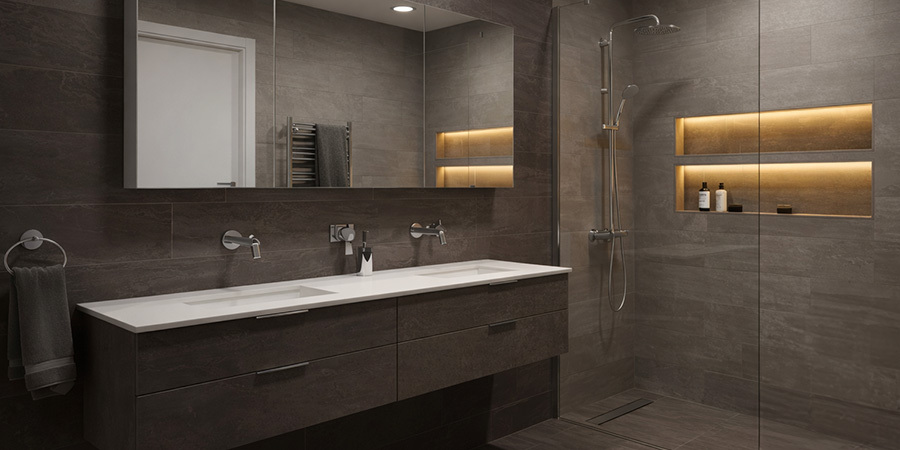
Think about a strip of colored light tracing the raised edge of a wooden outdoor deck. Or lights lined inside a glass cabinet illuminating your collectible action figures or the china you inherited from your grandmother. It could also be the small spotlights above trophies, or a wall wash gently revealing the texture of a concrete wall.
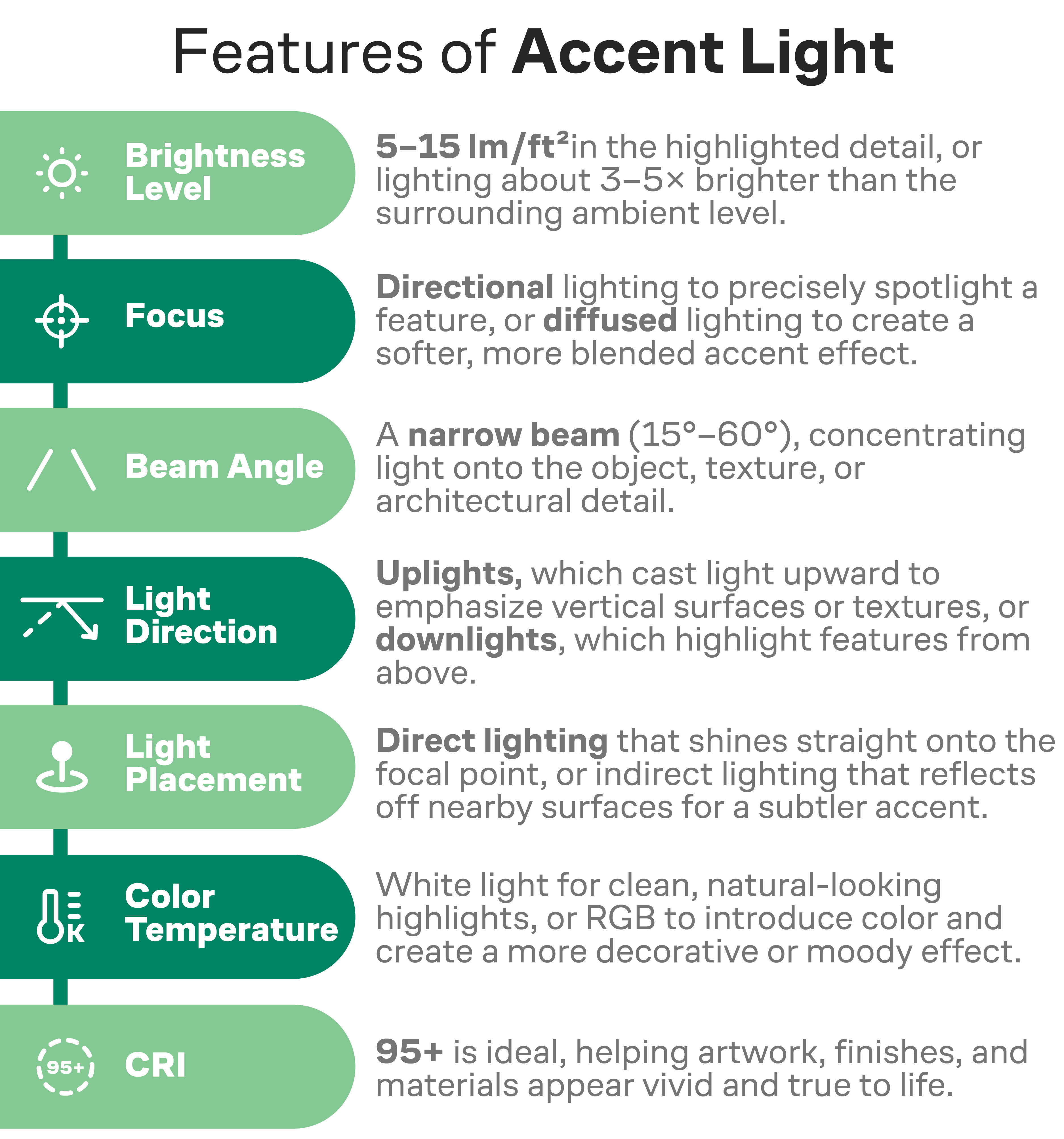
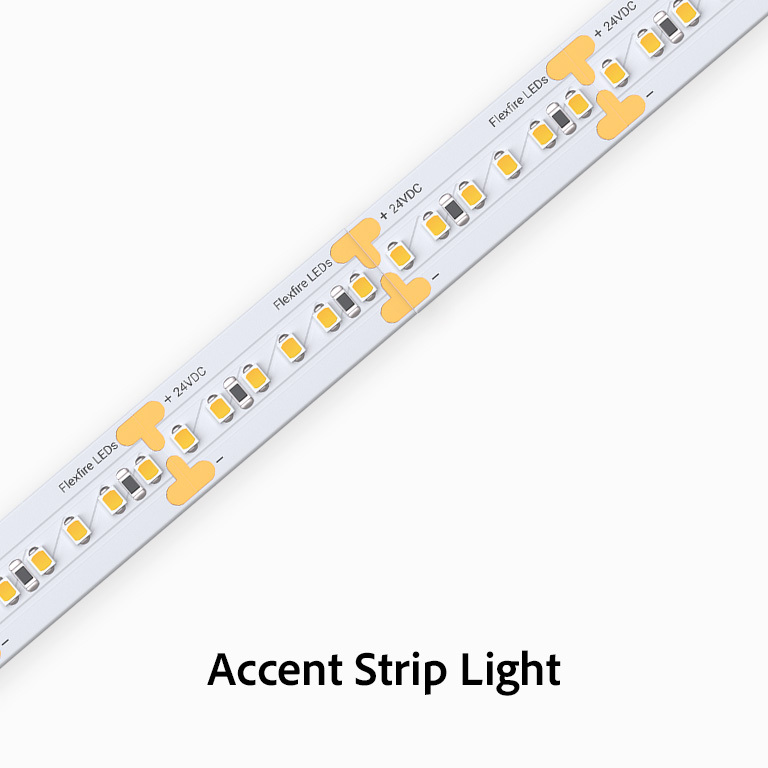
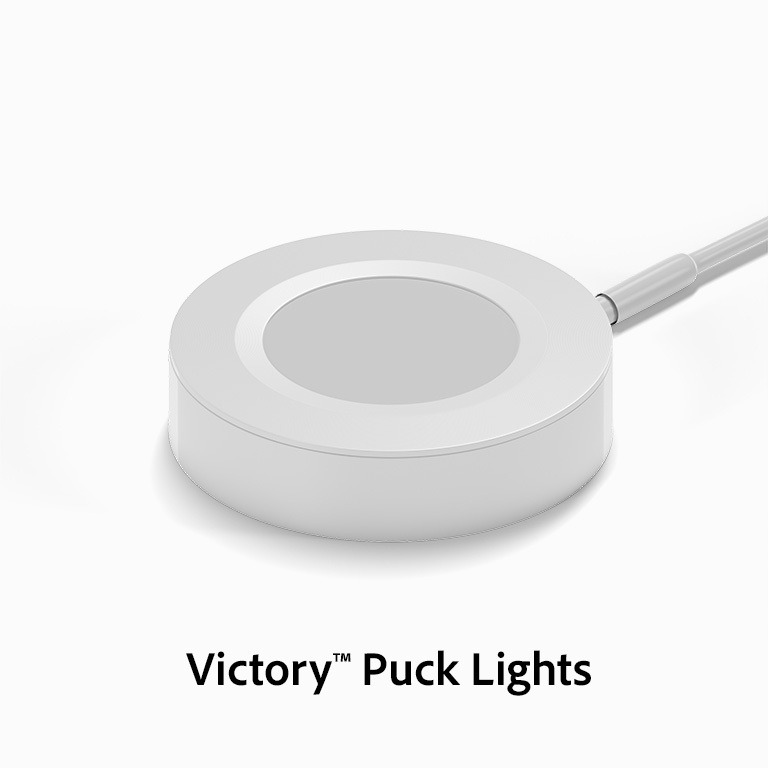
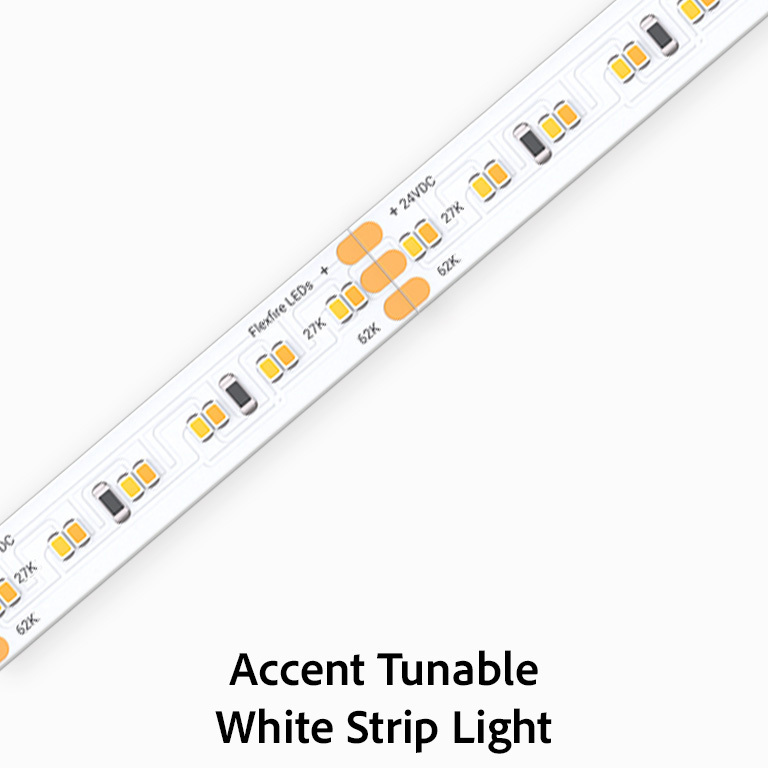
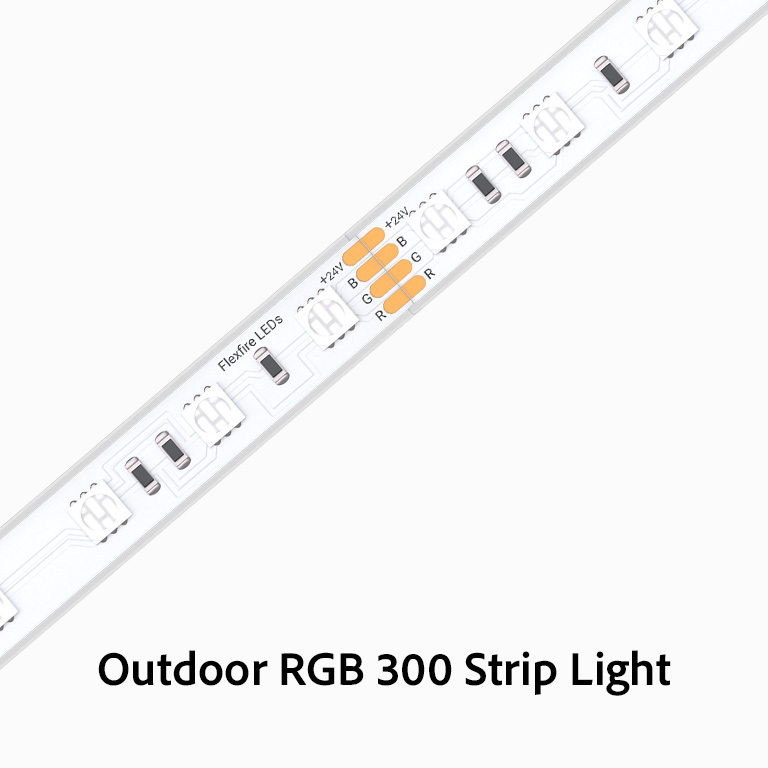
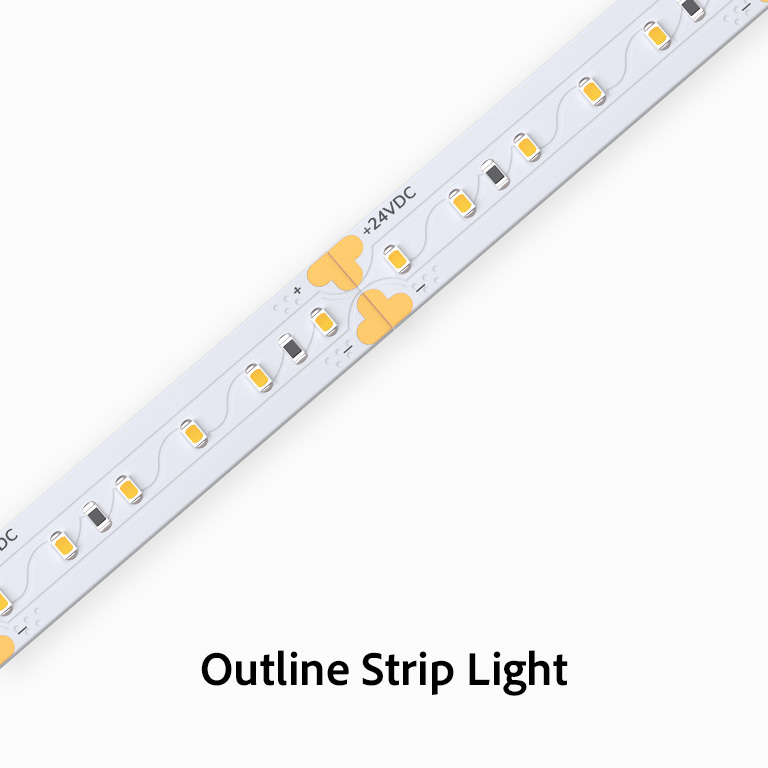
Popular Applications: Spotlight-style lights recessed in a floating shelf, kitchen and vanity toe-kicks, above kitchen and office cabinets, backlit mirrors and frames, and lighted outdoor handrails and shower niches. For this type of lighting, Flexfire recommends:
How to Layer Lighting in Your Home? (Step-by-Step)
Now that you know the players, here is how to put them on the field. Don't try to do everything at once—follow this process individually in each space to ensure your layers work in harmony.
1. Start with Zoned Lighting & Key Areas in Your Room
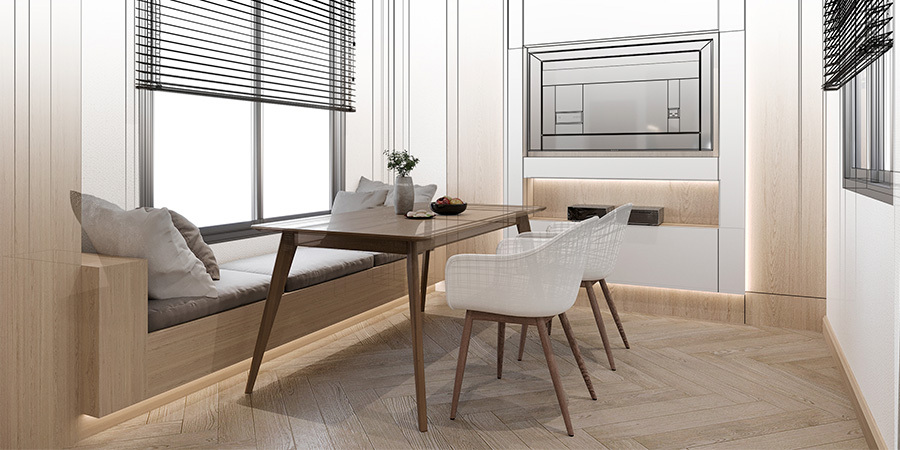
This first step calls for visual awareness and familiarity with the space before any purchase. It's often easier to do with a reference project gallery for inspiration, a lighting designer by your side, or even on a call with an LED expert to guide you in real time.
The goal at this stage is to identify the areas where lighting naturally belongs—or where, in your particular design, you want light to exist because an object will sit there or because the surface will be used for work.
Take a shed, for example. At first glance, it may seem like a simple space, but once you start thinking in zones, the lighting needs become clearer. There's the main, weatherproof overhead, and then the workbench where you repair tools or work on small DIY projects, which likely needs brighter, focused light. Maybe there's a shelf holding jars of screws or gardening tools—an ideal place for a subtle strip of light that helps you find things more easily.
2. Prepare Your Ambient Light Foundational Layer
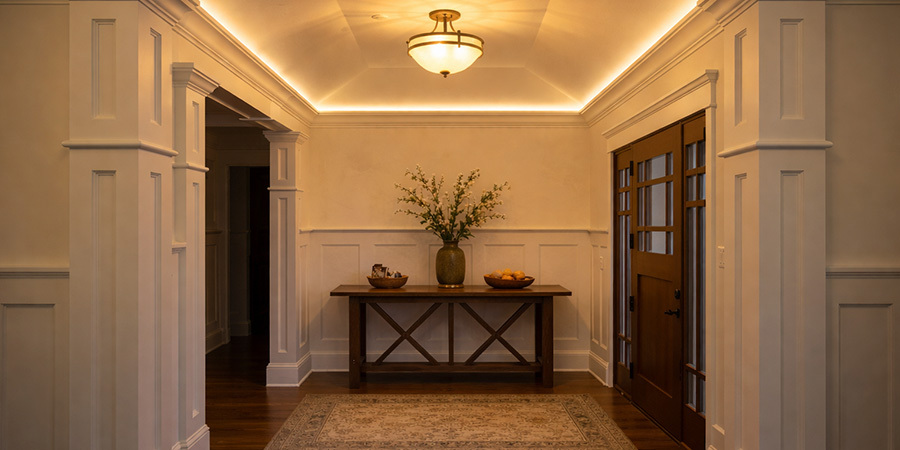
After identifying the zones in your room, establish the ambient lighting. First, look at the natural spots where general illumination usually lives: the center of the ceiling for a main fixture, nooks for recessed lights spread across the room, or architectural features like ceiling coves where LED strips can create soft, indirect light.
Let's say, in an entry hall, identify corners where a floor lamp might stand, console tables that could hold a table lamp, soffits, or wall areas by the door suitable for sconces. The idea isn't to flood guests with a single harsh source, but to create a comfortable blanket of light.
3. Focus on Activity Surfaces for Task Lighting
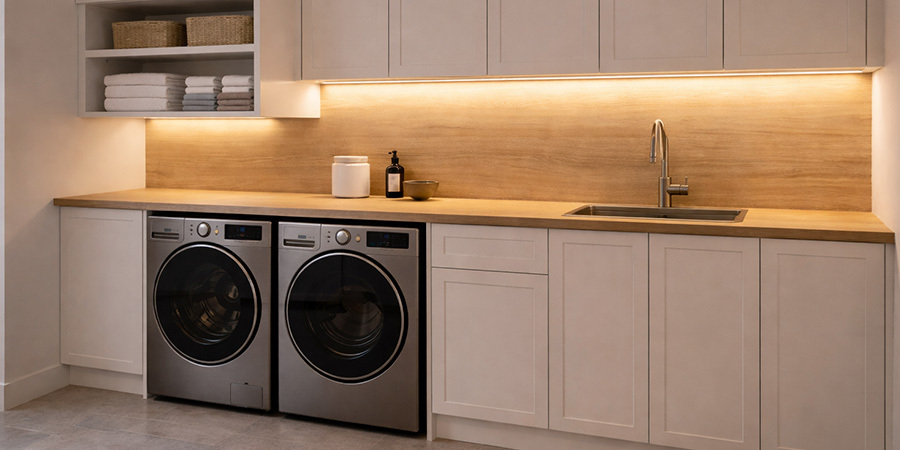
It's time to look for surfaces where people actually do things: countertops, desks, vanities, reading chairs, or hobby or bedside tables. These areas often benefit from lights placed directly above, beside, or slightly in front of the activity so shadows don't get in the way.
For example, once you think about your laundry room routine, its task zones become obvious. There's the countertop where you fold clothes, which benefits from bright lighting. Cabinets or shelves storing detergents and cleaning supplies may need a small light underneath to clearly see labels and bottles. Even the cabinet undersides above the washer, dryer, or ironing board can use extra illumination when sorting fabrics or checking care tags.
4. Find Niches & Nooks for Accent Lighting
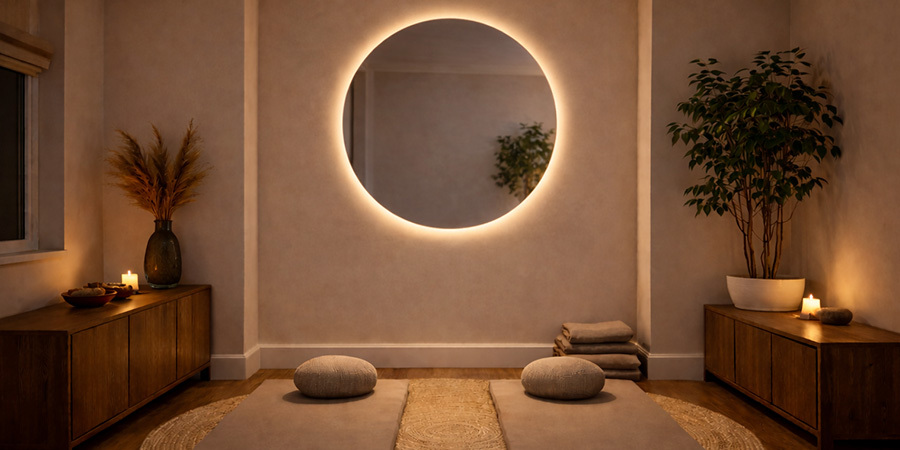
Finally, try to find features that would benefit from a subtle glow or a focused beam: a sculpture or candle niche in the wall, a row of shelves, a piece of art or decor in a hallway, or even beneath furniture where light could gently graze the floor surface. Accent lighting doesn't need to be very bright; its purpose is to create contrast and draw the eye.
Think about lighting a home gym. The room may already have strong overhead lighting for safe exercise, but adding an RGB light strip behind a mirror can completely change the mood of your yoga or workout. Maybe a soft wash of light can go under a rowing machine or along the rack holding your dumbbells. Suddenly, the room feels more intentional and motivating, like a personal training studio within your home.
5. Identify Spaces Where Lighting Can Serve More Than One Role
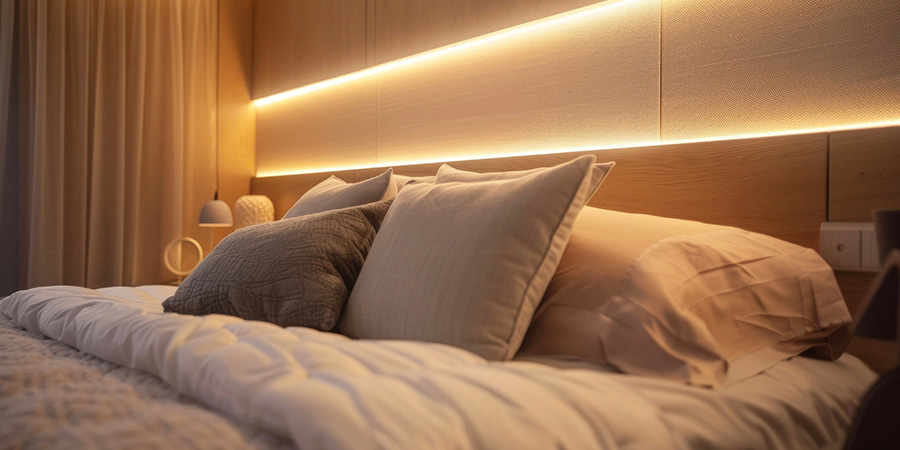
As you refine your lighting plan, look for areas in the room where a single light could reasonably support different moods or goals depending on the moment. Modern, smart lighting controls make it possible for the same light source to shift functionality throughout the day simply by adjusting brightness, color hue, or white color temperature.
Take a bedroom, for instance. A soft glow behind the headboard might act as gentle ambient light when dimmed at night as you wind down. That same light can be brightened and tuned to a cooler tone at different times of day, helping you see clearly for bedside reading, getting dressed, or organizing the room. By spotting this flexibility in a space, you can make your scheme both simpler and more adaptable.
With Flexfire, Take Light Layering to the Next Level
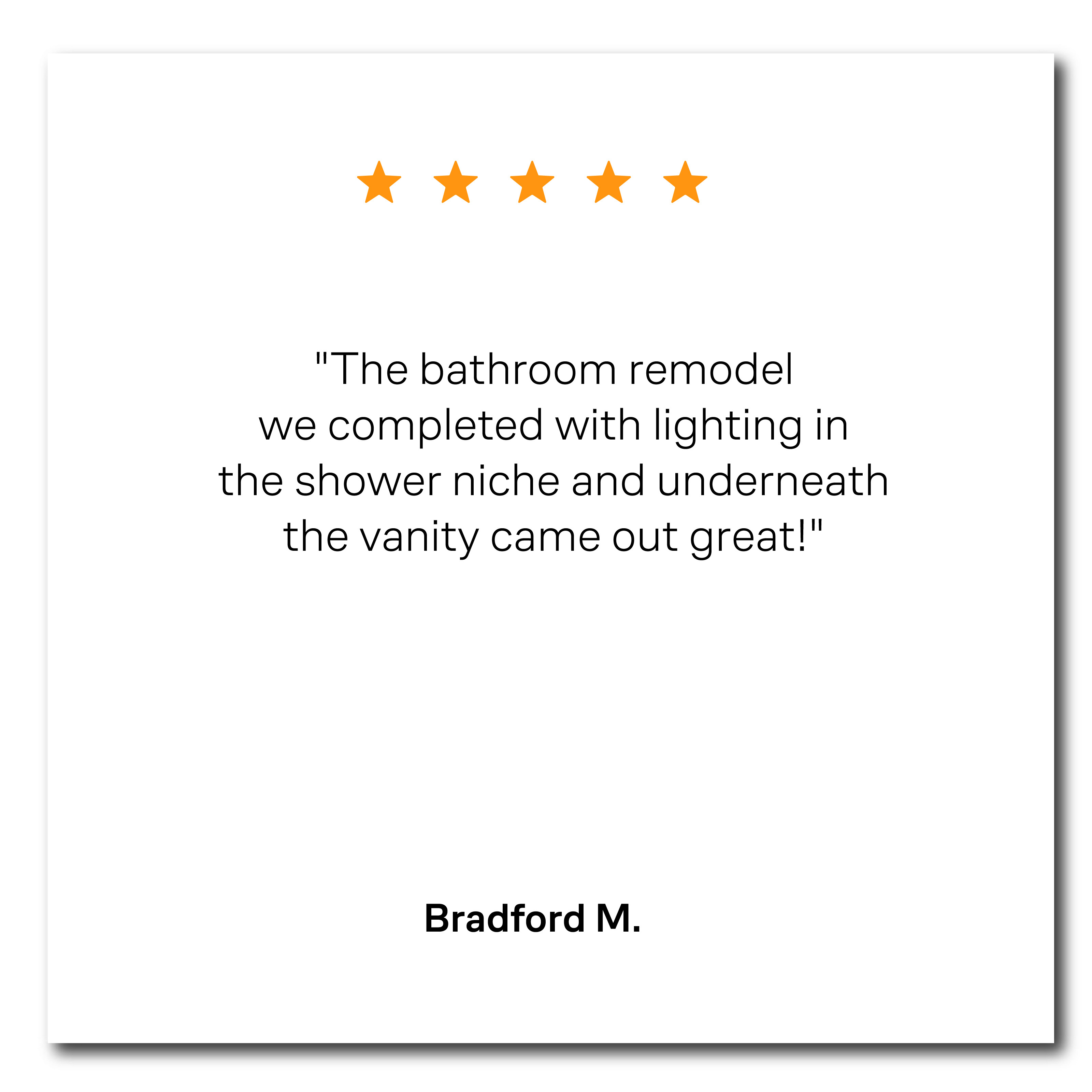
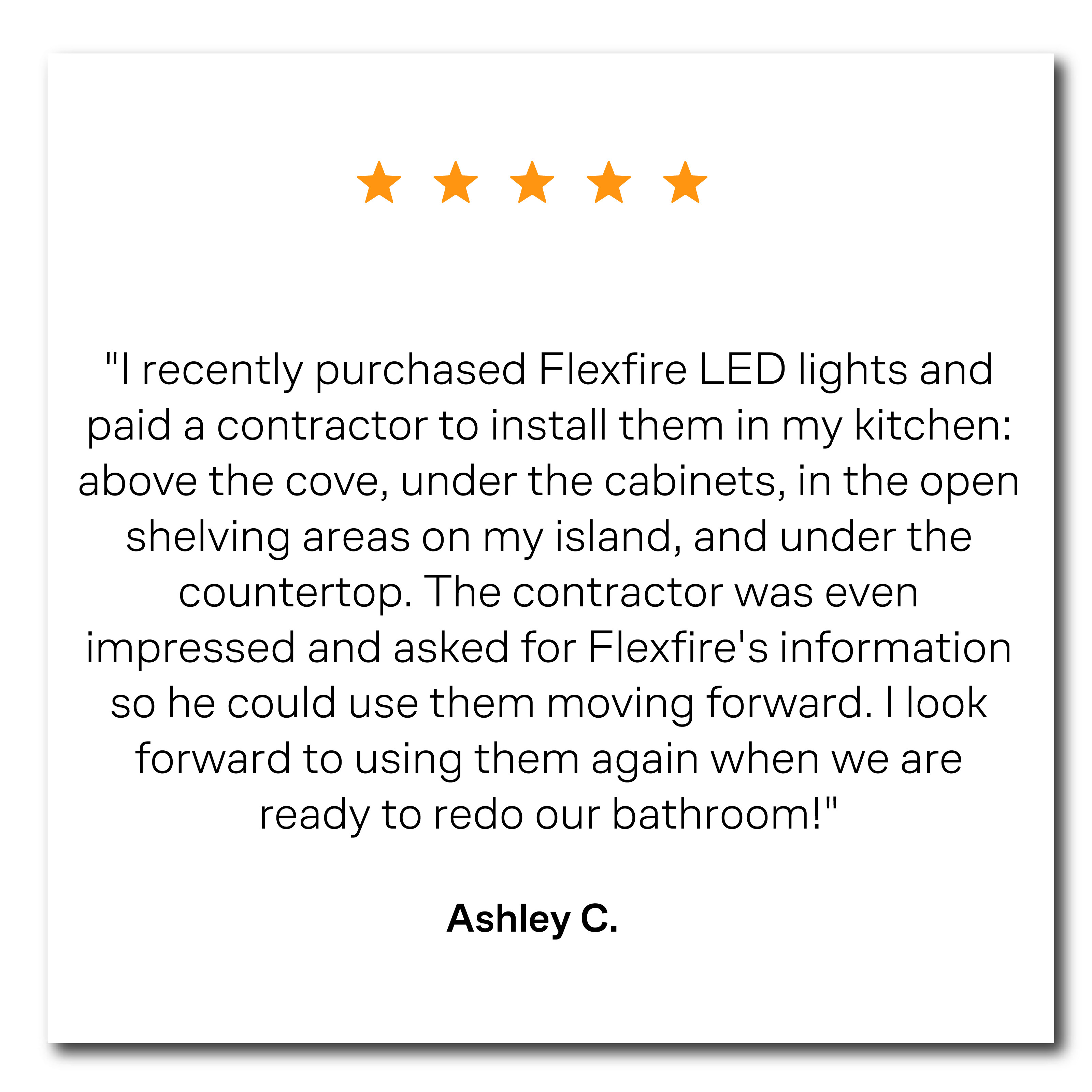
Once you've completed these steps, there's just one last thing to do: Find a premium LED product line that offers enough variety to meet the needs of every application in your project. You, too, can be one of the successful homeowners who decided to incorporate multiple layers of light into any of their rooms at the same time—but don't just take our word for it:
With 10+ years of experience, at Flexfire, we're ready to give you the best, layer upon layer: layers of knowledge and expertise to help you create layers of light in your home.