


What Is Task Lighting? A Guide to Work Surface & Desk Lights
From under cabinet lighting to reading lights for bed, high brightness LED fixtures and direct lighting support daily tasks—learn how to choose them.
- -Task lighting is essential for enhancing visibility and precision in various activities.
- -Effective task lighting should be directional, with appropriate beam angle and brightness.
- -Proper task lighting integrates into home design, complementing ambient and accent lighting.
- -Key areas for task lighting include kitchens, bathrooms, home offices, and workshops, each requiring specific lighting solutions.
Even though our homes are made for rest, like watching TV on weekends and sleeping every night to recharge, they’re also where we’re most active and productive. Even if they’ve been designed to receive plenty of natural light through skylights or windows, that light often isn’t enough for every activity we do inside—especially at night.
We’re constantly doing things that need an extra boost of light: putting on makeup in front of the bathroom mirror, reading a magazine before bed, assembling a complex Lego set with our kids, filling out tax returns, or, as many of us do today, working in a dedicated home office.
The lights we rely on to complete these activities safely, clearly, and without straining our eyes are known as task lighting, and they’re essential to everyday life. Let’s explore their key traits and uses, and help you choose the right options for your next home lighting project.
Why Task Lights Matter for House Chores & Modern Workspaces

The most basic and timeless function of lighting—from torches and candles to today—can never be overlooked: allowing us to see what we’re doing. Every activity we carry out requires focused lighting to be successful.
Without enough brightness to peel all the skin from a yucca root or spot the green patches on a potato, we could make ourselves sick. Poor lighting can also lead to typing errors in an Excel spreadsheet at work, leftover stains on kitchen countertops, a poorly trimmed beard or mustache, and even injuries or accidents.
Task Lighting Across the Home
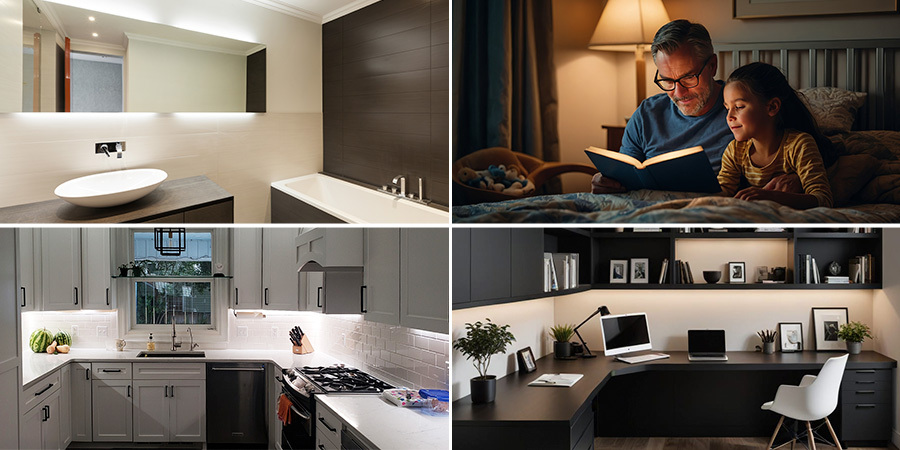
The good news is that task lighting can now be integrated into your home design in an organic and visually appealing way. By directing bright light toward specific work areas, task lights become part of a layered lighting approach alongside accent and ambient lighting, highlighting the furniture and surfaces where focused lighting is essential:
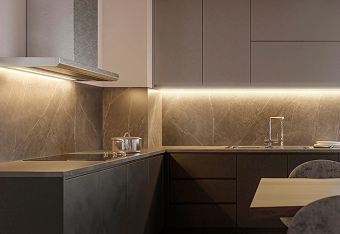
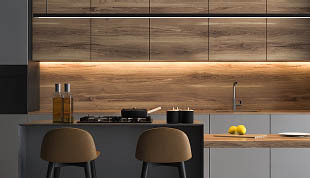
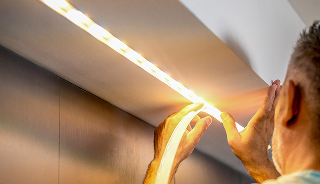
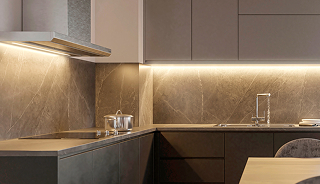
- In the kitchen, under-cabinet task lighting eliminates shadows while you use knives or read recipes and facilitates cleaning. Additionally, pendant lights over an island or a dedicated light inside the range hood provide focused illumination for stove work or grocery unpacking.
- In the bathroom, task lighting is centered almost exclusively around the vanity for pampering and applying makeup. The most effective solutions include backlit mirrors or wall sconces mounted at eye level on either side of the mirror.
- In the home office or study, task lights are usually positioned on or above the desk—whether mounted under cabinets or as a desk lamp—that evenly illuminates the entire work surface, your reading materials, and your computer keyboard.
- In a workshop, shed, or garage, lighting is a matter of safety. The primary applications are overhead shop lights or directional clamp lights positioned directly above a workbench to illuminate detailed repairs, woodworking, or tool maintenance. Portable lamps are also used to light the underside or interior of a vehicle while working on it.
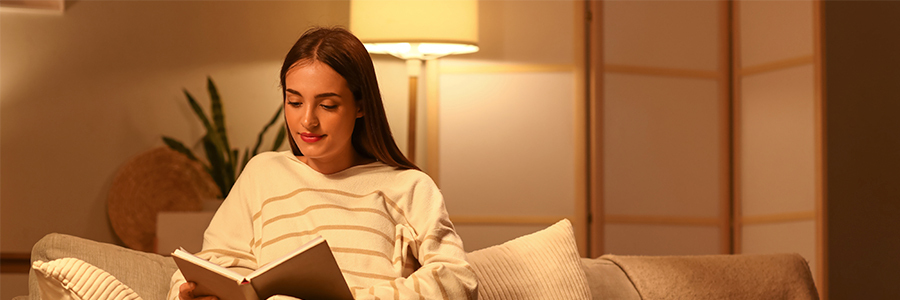
- In bedrooms, think of desk lamps for your children to do their homework, bedside lights or swing-arm sconces for reading bedtime stories, or perhaps a lamp for scrolling on your phone or enjoying a good book before sleep.
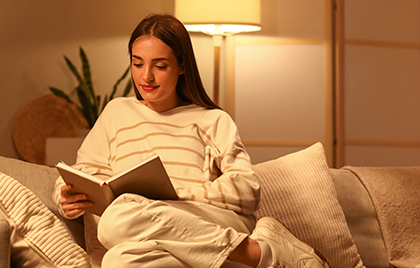
- In the living room, floor or arc lamps positioned over sofas or armchairs support hobbies like knitting, doing puzzles, or reading. Task lighting can also be small lamps integrated into side tables, where you might place a tray to eat or your laptop.
- In a greenhouse or garden, task lighting can be used to illuminate floral plants or bonsai displayed on metal structures. IP65-rated lights designed for wet environments make watering, pruning, and spotting pests or unusual discoloration much easier.
Task Light Key Features: What to Look For
As we’ve seen, task lighting is all about delivering the right amount of light exactly where an activity happens. For it to work properly, fixtures need to meet specific standards for brightness, control, and light quality:
1. Light Direction & Focus
These describe how your light is aimed and how focused its scope is.
Directional Lighting: Task Lights Are Always Focused
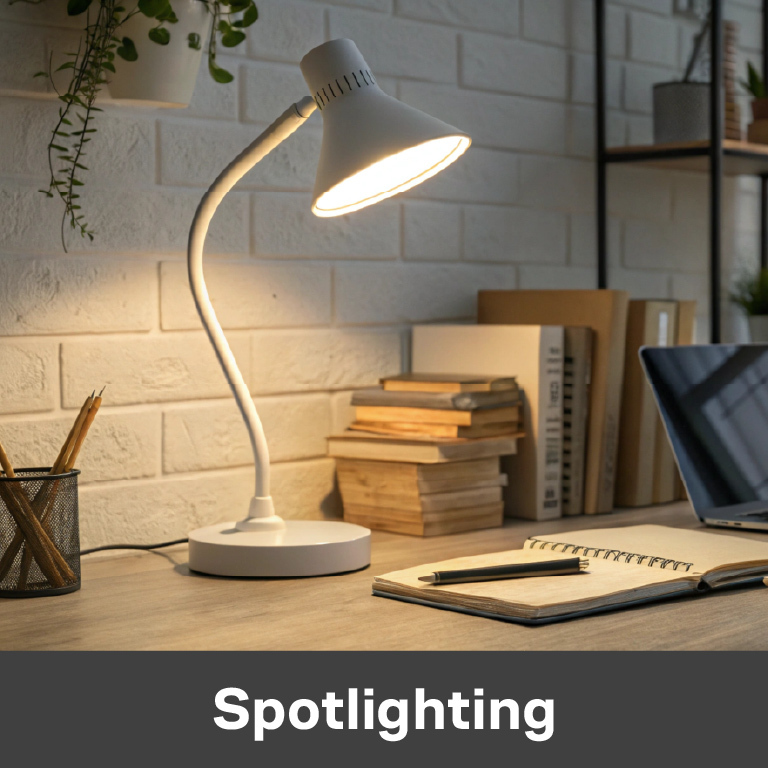
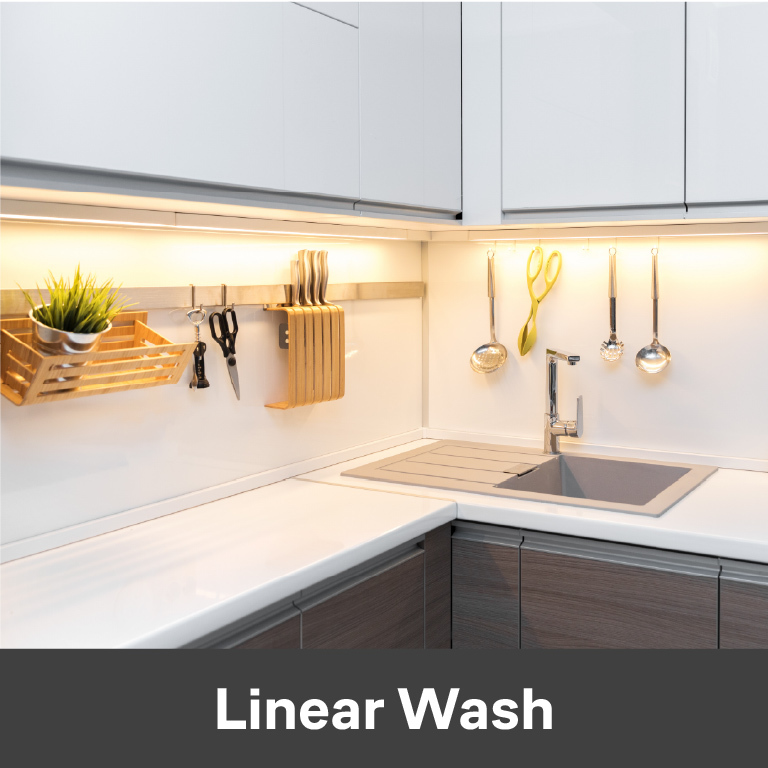
Precision matters, so task lighting is always directional. Whether you’re filling in mandalas or plating delicate flower petals with tweezers, its beam—the path the light follows from a bulb—must be intentionally aimed at that specific coloring book or dish. Task lighting is never diffuse or scattered; when light spreads too broadly, its brightness is lost.
There are two main types of directional task lighting. The first is spotlighting, where a focused, circular beam targets a small area and draws your eye—ideal for detailed tasks like threading a needle or handling small components.
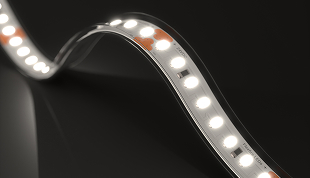
The second is a linear wash from an elongated source, such as an under-cabinet LED strip illuminating an entire stovetop from end to end. Here, the goal isn’t to highlight individual burners, but to evenly light the entire work surface.
Your Beam Angle Matters for Activities
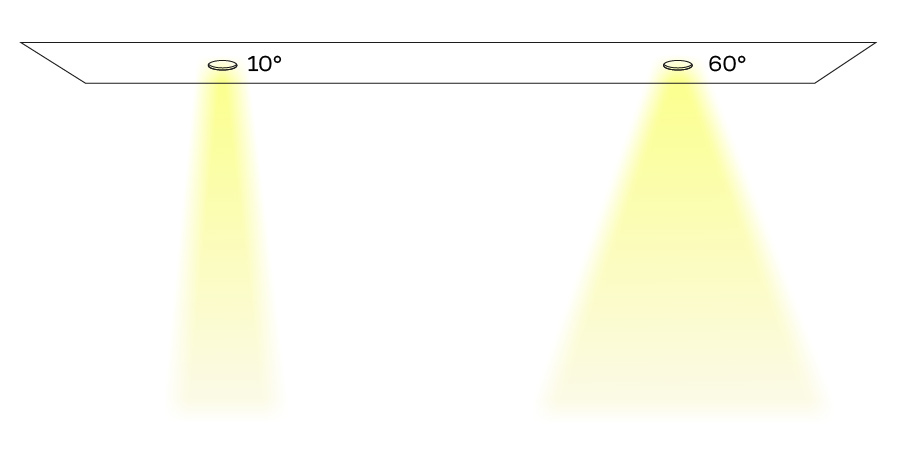
The beam angle of a task light is the most important factor in determining intensity and coverage. It essentially dictates how much of your work plane is lit and how much "punch" the light has when it reaches the surface. There are two basic beam-angle rules to understand before choosing task lighting.
First, the narrower the beam angle, the more intense the light at a specific point. Light follows the Inverse Square Law, meaning its intensity decreases as distance increases. In practical terms, if you’re reading in bed, your lamp’s beam angle should be focused primarily on the page to deliver clear, comfortable illumination.
Second, a beam angle also defines where light doesn’t go. In shared spaces, wide beams can quickly become a problem. While a narrow 10° beam keeps light confined to your book, a wider 60° beam can spill onto your partner’s face or reflect off a nearby TV, creating glare and disrupting sleep.
Downlight or Side Light, Just Never Uplight
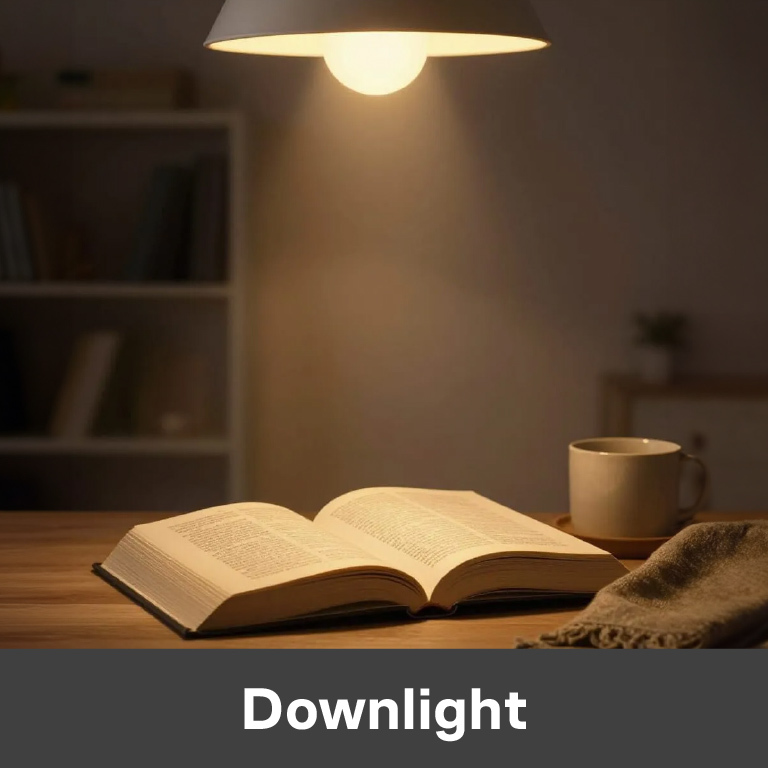
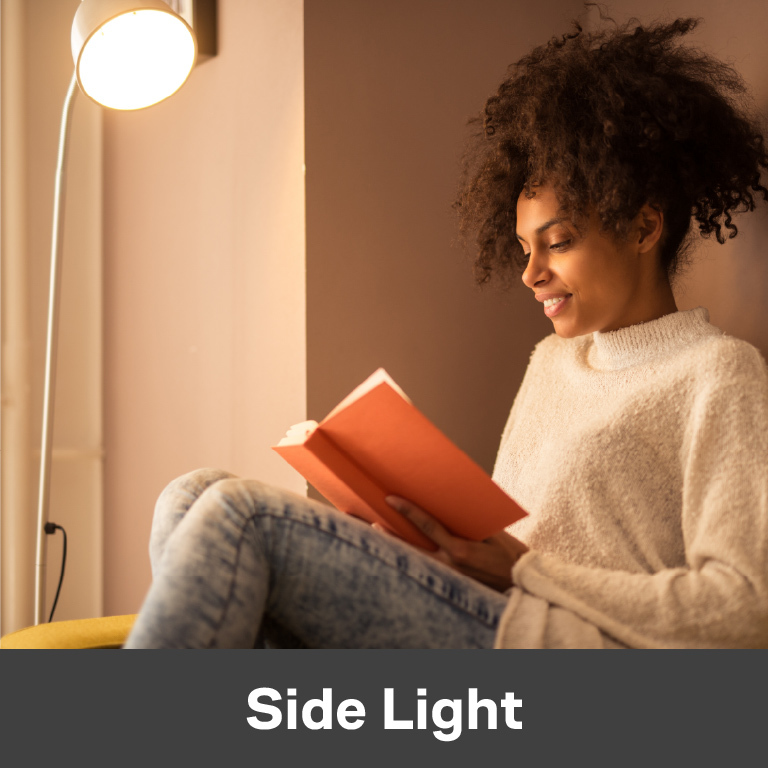
While downward is the most common direction for task lighting—think kitchen island pendants shining on your morning paper read—it isn't the only one. The goal of task lighting is to put light exactly where it’s needed to eliminate shadows on your work surface, and sometimes that means coming from the side or even angled.
For example, in bathrooms, the best task lighting for grooming is lateral. If you only have downward-pointing lights—like recessed cans in the ceiling—they cast deep shadows under your eyes, nose, and chin. By placing sconces on either side of a mirror, the light travels horizontally toward your face, providing an even "task" wash for shaving or applying creams.
Many task lights are also multi-directional to help eliminate glare. For example, tilting a swing-arm lamp to shine across a page rather than straight down prevents light from reflecting directly into your eyes. Similarly, angling under-cabinet lights toward a back wall prevents harsh "bounce-back" reflections off shiny countertops, creating a much softer and usable workspace.
2. Brightness Level & Dimming
These terms describe how intense your task lights should be and how much control you have over adjusting their effect for different activities.
Lumens Comparison
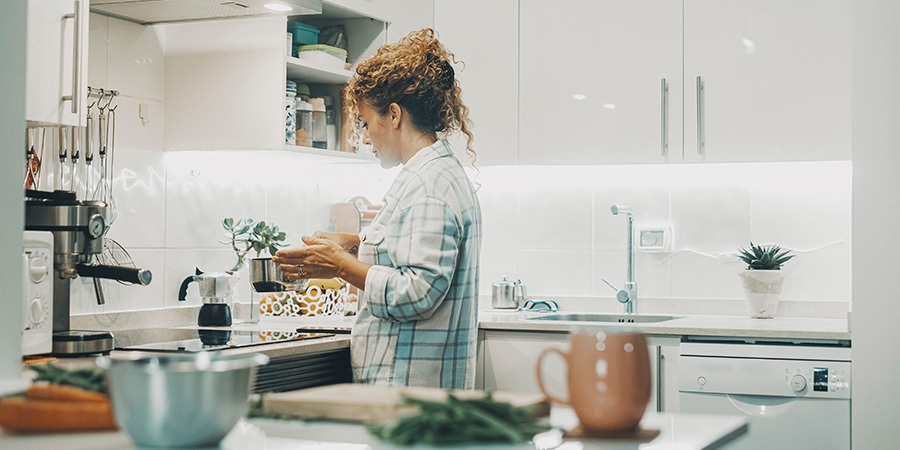
Task lighting needs to be significantly stronger than your ambient light because its whole job is to help you see fine details without straining. And the specific brightness you need really depends on what you’re actually doing. For casual tasks like folding laundry, scrolling on a tablet, or sorting mail, about 450 lumens is usually the sweet spot for comfort.
However, if you're tackling detail-oriented work like dicing onions, repairing jewelry, or soldering electronics, you’ll want to scale up to 800 or even 1,000 lumens. Higher intensity helps your eyes distinguish between the subtle textures of your food/materials and your fingertips, which is a lifesaver for avoiding accidents.
Dimmable Light
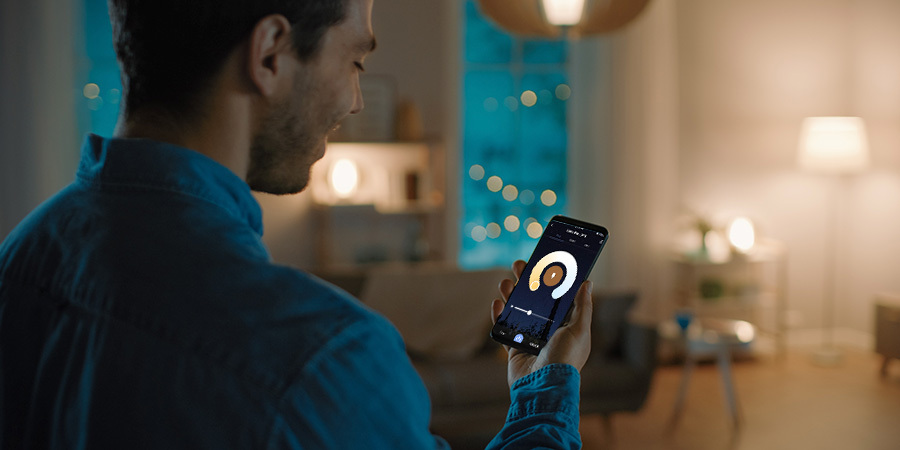
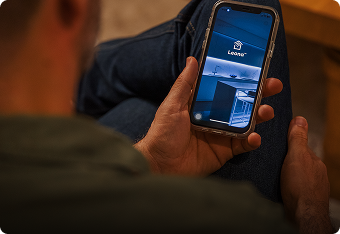
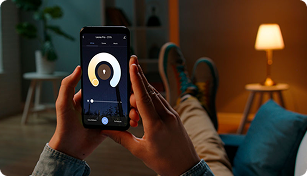
This is exactly where dimming control comes into play, whether through a remote, a wall dimmer, or a home lighting app on your phone. Because every activity requires a different brightness level—and every person has different visual needs—a smart approach is to choose a task-lighting fixture with a high maximum output and adjust it as needed:
- Very High Brightness: Ideal for older users who need strong illumination for sewing or embroidery at a vanity, as well as for high-precision hobbies like watch repair or detailed metalwork in the garage.
- Medium Brightness: This range covers most everyday task lighting needs.
- Low Brightness: As an added bonus, task lights such as kitchen under-cabinet lighting or a floor lamp aimed at a reading chair can be dimmed when not in active use, instantly doubling as accent or mood lighting.
3. LED Light Color & Quality
Unless you’re dealing with a very specific use case—such as UV task lights installed under kitchen or laundry cabinets to detect and remove stains—your task lighting should always be white. White light is the only color that accurately reveals all other colors, while also providing the clarity and visual confidence needed for safe, precise work.
Correlated Color Temperature
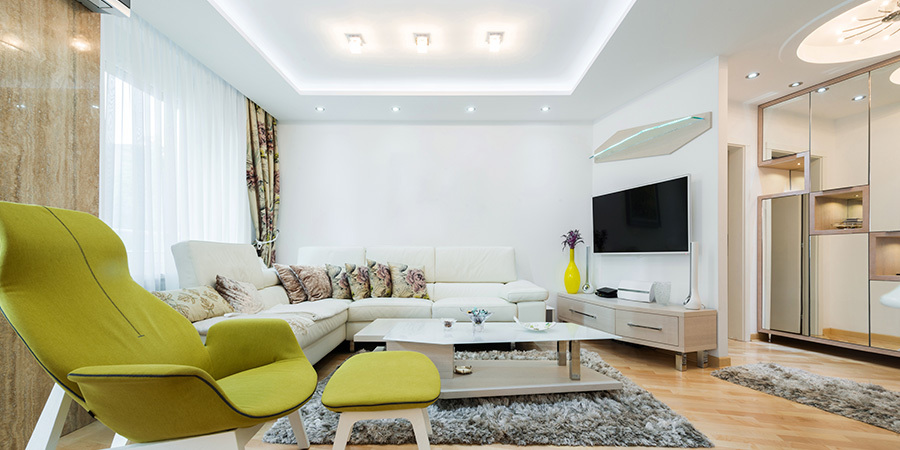
So which shade of white is right for daily activities? Choosing it comes down to Correlated Color Temperature (CCT), the measurement that defines a white light’s tone.
Warmer, lower-Kelvin light feels calming and is meant for relaxation, while higher-Kelvin light—generally between 4000K and 5000K, and in some cases up to 6200K—is cooler, more stimulating, and better for work. It supports focused activities in many ways:- Boosts Visual Contrast: Cooler light makes black text on white paper (or a screen) much sharper, which is a lifesaver when you’re squinting at tiny font in a legal contract or a complex spreadsheet.
- Recreates Natural Alertness: Higher CCTs suppress melatonin, helping you stay "up" and active rather than sleepy—perfect for staying productive during a late-night study session.
- Ensures Color Accuracy: Neutral, cool light prevents the "yellowing" effect of warm bulbs, which is essential when you're matching paint swatches or checking the sear on a steak in the kitchen.
- Reduces Eye Fatigue: Cooler temps help your pupils constrict properly, preventing that dull headache you get after hours of sewing or detailed craft work.
- Highlights Fine Detail: The crispness of blue-white light reveals textures and shadows that warm light hides, making it much easier to find a tiny screw on a workbench.
High-CRI Light
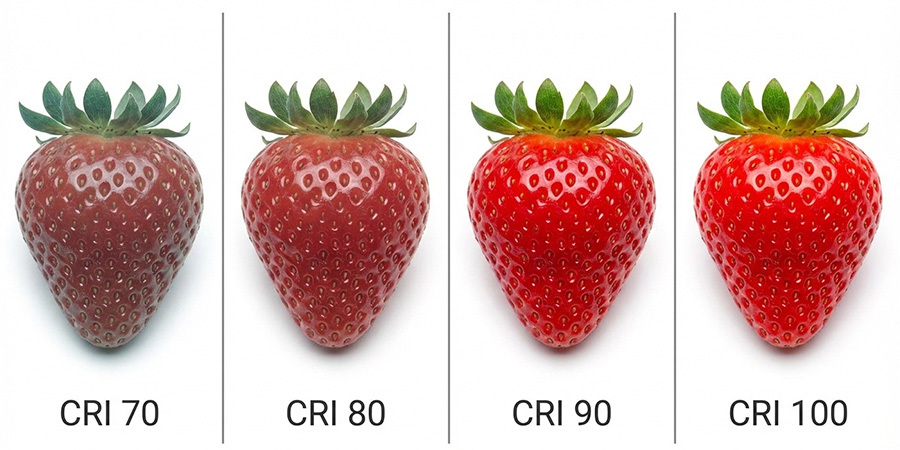
The Color Rendering Index (CRI) indicates how accurately a light source reveals the true colors of objects. Because many tasks rely on precise color perception and detail recognition, higher CRI lighting is especially important.
When CRI is too low, it can create subtle but meaningful obstacles during everyday activities, such as:
- Reading medical labels or pill organizers: Similar-colored markings can be harder to distinguish, increasing the chance of errors.
- Sorting laundry: Dark blues, blacks, and browns may look identical, leading to accidental color bleeding.
- Inspecting skin or wounds: Changes in skin tone, redness, or irritation can be harder to notice.
- Photography or content creation: Colors captured under low-CRI light may not match real-life tones.
- Cleaning: Residual grime or buildup can blend in and go unnoticed on surfaces.
- Working with wires or electronics: Similar-colored wires can be difficult to tell apart, increasing the risk of mistakes.
- Repair and maintenance: Wear, corrosion, or small cracks can be harder to detect.
How to Add Task Lighting to Your Home
Now that you understand how LED task lighting works and the features behind it, let’s move on to a simple, step-by-step guide for bringing it into your home:
1. Identify Your Home Activities or Work Surface
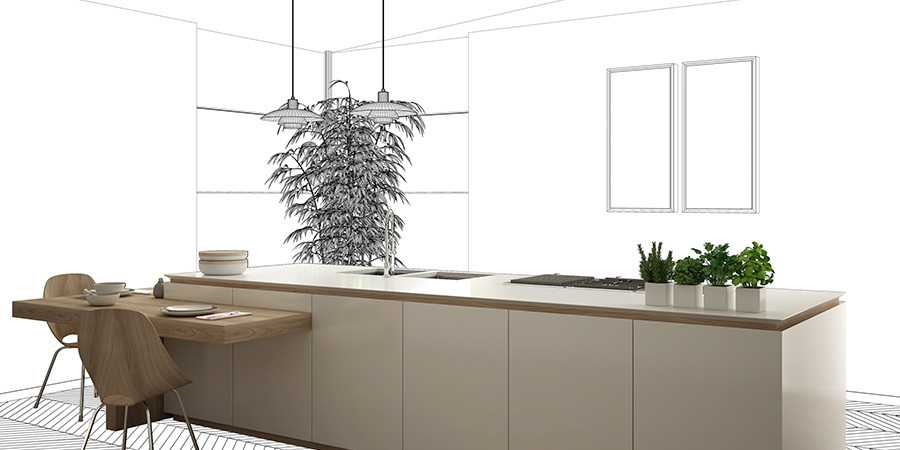
If you’re still in the planning stage of your home, start by thinking about the activities you’ll carry out in each space. This will help you determine where to integrate task lighting. For example, if you enjoy reading comics or you’re a professional graphic designer or illustrator, you’ll likely want to include a desk with proper lighting in the game room of your new home.
If your space is already built, the best approach is to identify existing work surfaces that may be underlit or underused. Ask yourself: “Do I have enough light to prepare meals comfortably in the kitchen? Can I clearly see my keyboard and notes during virtual meetings?”
These questions will naturally point you toward the task lighting your home may be missing—and the right lighting professionals to help bring it to life.
2. Find the Best Lighting Products for Your Daily Tasks
It’s always smart to partner with a company that offers both high-quality products and a deep understanding of task lighting. Flexfire meets that standard, with several high-brightness options worth exploring:
LED Strip Lighting
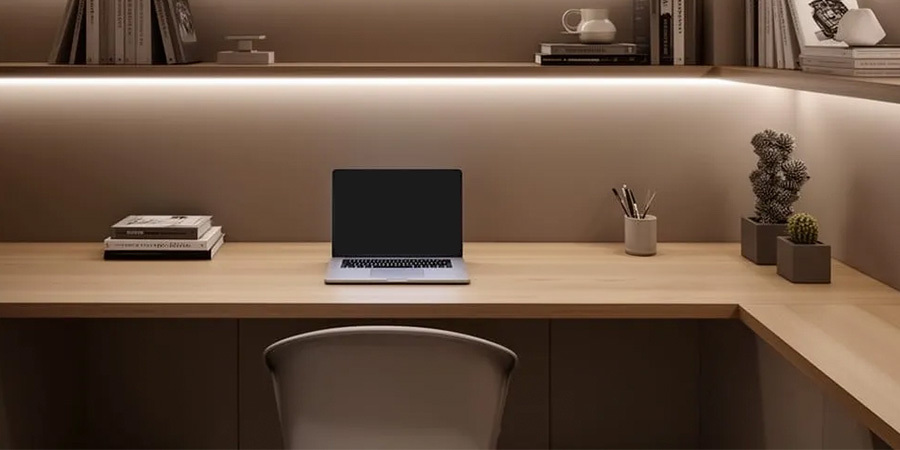
If the surface you’ll be working on is located in a space dedicated exclusively to work—where you don’t host guests or need to accommodate social or entertaining activities, such as a garage, shed, or home office—you can confidently opt for our Architectural™ high-brightness strip in 4000K or 5000K.
On the other hand, if you’re installing under-cabinet lighting in a kitchen or another highly visible area where you need more versatility—lighting that can support both focused tasks and a relaxed atmosphere afterward—the Architectural™ Tunable White Strip is the better choice. With a simple swipe on your phone, you can shift between warm and cool lighting whenever you need it.
LED Light Bars
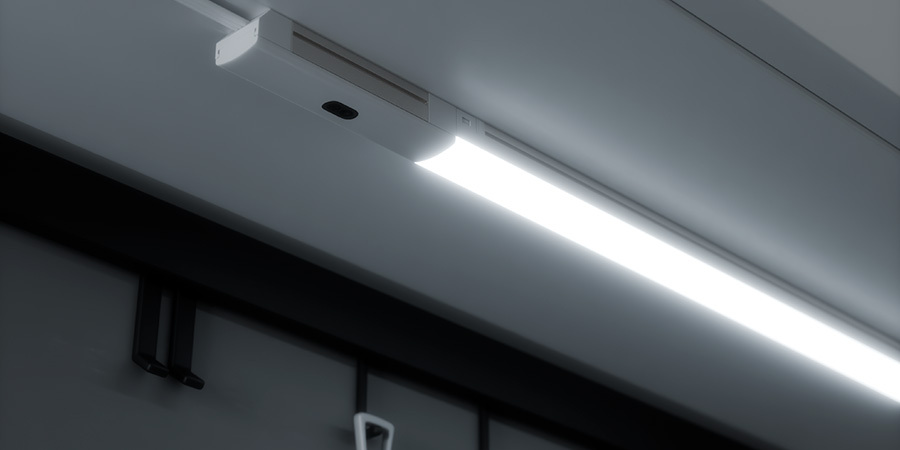
With their linkable design and hands-free control options, our ClickBright™ tunable white bars make it easy to create optimized, smart work surfaces like countertops and desks.
3. Complete Your Look with Layers of Light
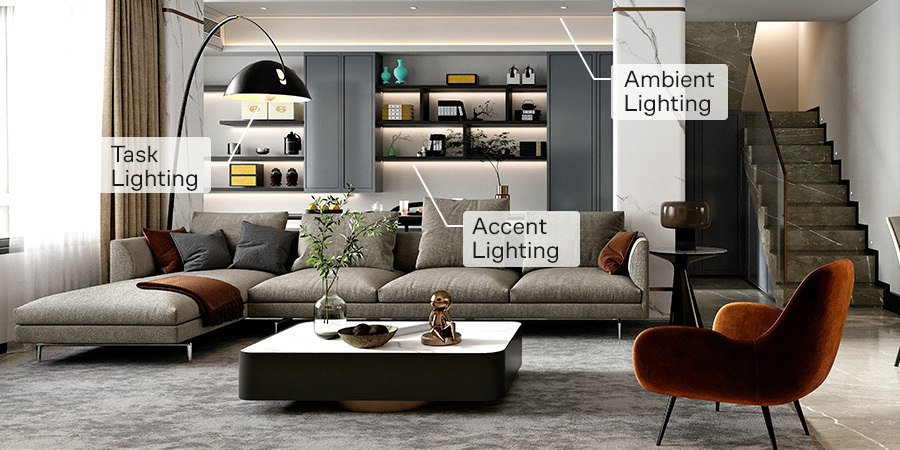
Keep in mind that your task lighting plan—everything from the work surfaces that need illumination to the applications and products you select—should always align with your home's overall design. Task lighting is just one part of a three-layer lighting approach that works together to create a balanced, cohesive space.
The other two layers are accent lighting, which draws attention to architectural details and decorative elements, and ambient lighting, which provides general illumination throughout a room. Unlike task or accent lighting, ambient light isn’t directed at a specific point but is distributed evenly across the space.
Flexfire: Our Task Is Bringing Clarity to What Matters Most
At Flexfire, we design lighting with real use in mind. The task lighting solutions we create are built on the same practical principles we apply to high-brightness products and projects, so you can choose lighting that actually supports how you work, read, cook, and create at home.
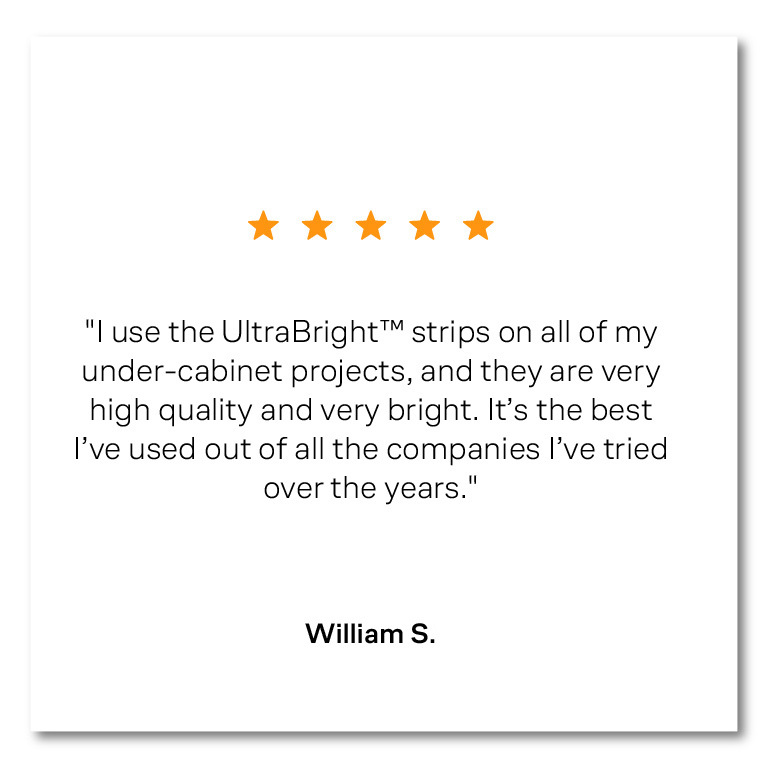
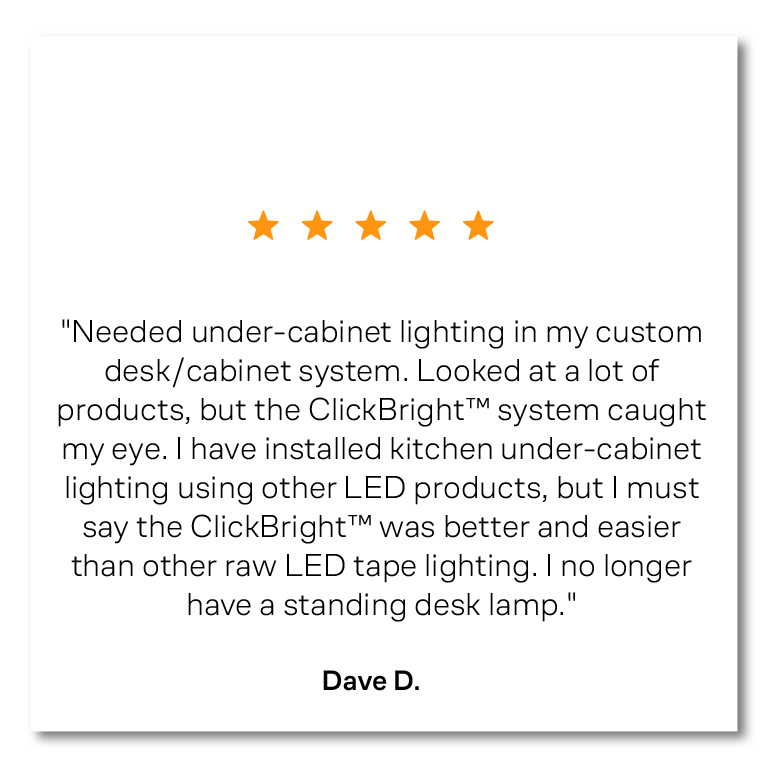
To close things out, we want to highlight a few real examples from homeowners who upgraded their spaces with proper task lighting. When light is placed with intention, everyday routines become easier, safer, and more comfortable.
If you’re ready to plan your own task lighting setup, our Project Builder makes the process simple. Answer a few quick questions about your space and daily activities, and it will guide you to the right solution without guesswork. Let’s get the work started—and, most importantly, under the right light!