



How Do You Adapt to Daylight Savings Time? 6 LED Light Hacks
Looking for daylight savings tips? Learn how circadian lighting for home use and a smart home light controller can help you reset and stay on track.
- -Daylight Saving Time disrupts our circadian rhythm by altering our exposure to light.
- -Gradual adjustments in lighting schedules and a layered lighting approach can help our bodies adapt more smoothly to the time change.
- -By effectively controlling circadian and tunable white-LED lighting, we can minimize disorientation and discomfort caused by biannual clock changes.
It’s happened to all of us at some point: You wake up, and the light feels wrong. Morning seems darker than it should be. Or suddenly the sun is setting before dinner, and your home feels dim before you’re ready for it. Even if it’s just one hour, your body notices. That’s the disorienting effect of Daylight Saving Time.
What many people don’t realize is that it’s not just about the clock—lighting plays a major role in how quickly we adapt to this seasonal shift. Before we had the ability to customize and fine-tune our lighting with the flexibility modern tech offers, we were largely at the mercy of the seasons.
But we don’t have to be anymore! With strategic LED design and products, you can create a space that supports your natural rhythm and overall well-being instead of working against it. In this blog, we’ll share six practical lighting tips—from tunable white systems to layered lighting strategies and smart controls—to help make your Daylight Saving transition smoother.
How Does Daylight Savings Work?
Twice a year, the whole country resets the clock. In the spring, we “spring forward,” losing an hour of sleep in exchange for longer evenings. In the fall, we “fall back,” gaining an hour but giving up daylight earlier in the day. On paper, it’s simply sixty minutes.
In real life, it feels different. Your alarm goes off, and it’s still dark outside. Or 5:30 p.m. suddenly looks like midnight. Dinner feels early. Bedtime feels late. Your routines haven’t changed, but the light around them has. And light, more than we realize, is what anchors those routines in the first place.
Does Daylight Saving Time Affect Your Body?
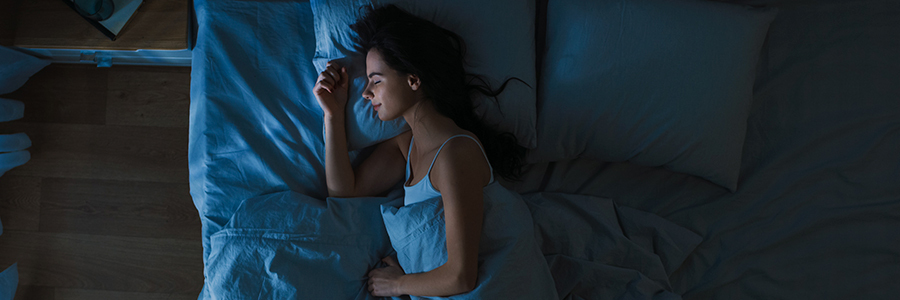
Yes, because your body doesn't run on clocks. It runs on natural illumination—your circadian rhythm, a sort of inner clock that regulates your metabolism and mood, is guided primarily by light exposure. Morning light tells your brain to stop producing melatonin and start increasing alertness, while evening darkness signals that it's time to wind down.
When Daylight Saving Time shifts the clock, it also shifts your light exposure, disrupting your circadian rhythm. That darker morning can make it harder to wake up. That brighter evening can delay your body's wind-down process. You might also notice these symptoms:
- Craving for naps at times when you usually don't
- Midday fatigue and "laziness"
- Slight dips in focus or mood
- Irritability, binge-eating, and confusion
Even if the changes are subtle, they're very real. Your internal rhythm is trying to recalibrate to a new light schedule.
How Long Does It Take Your Body to Adjust After Daylight Saving Time?
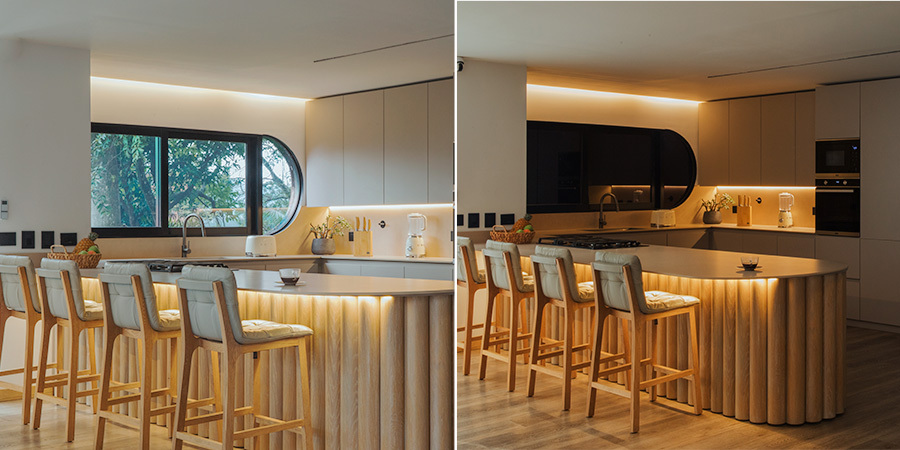
For some people, it’s just a few days. For others, it can take a week—or longer—in spring when we skip an hour of sleep. The adjustment period depends on how consistent your routines are, how much natural morning light you get, and how you manage evening light.
If your mornings stay dim and your evenings stay bright, the transition can drag on. But if you intentionally support your body with the right lighting—brighter and cooler earlier in the day, warmer and dimmer at night—you can shorten that adjustment window significantly.
In other words, you may not be able to control the clock, but you can control your lights. And with a few strategic adjustments to your LED setup—or thoughtful planning if you’re designing a home from scratch—that disoriented feeling doesn’t have to last nearly as long. Let’s walk through five practical ways to make the shift easier.
1. Use a Lighting Timer to Shift Your Schedule Gradually
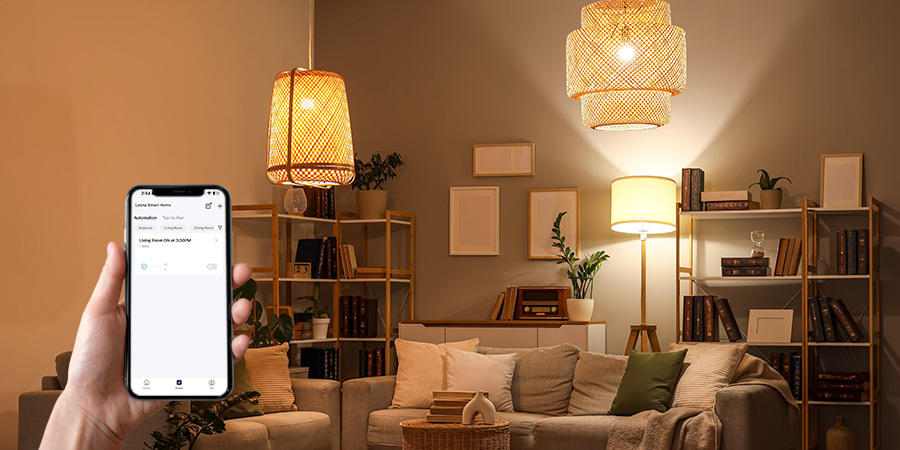
The hardest part of Daylight Saving Time isn’t the new schedule—it’s how abruptly it arrives. One morning, your phone simply tells you you’re an hour ahead or behind, often catching you off guard, especially if you’ve been busy or haven’t been keeping track of the date.
Thanksfully, this is where a smart lighting system can quietly step in. Small shifts in light timing can make the time change feel much less sudden.
By using automatic dimming and scheduling features, you can begin shifting your lighting 15–20 minutes earlier (or later, in the fall) in the days leading up to the change. These gradual adjustments help your circadian rhythm adapt more smoothly, making the transition feel far less disruptive. At home, this could look like:
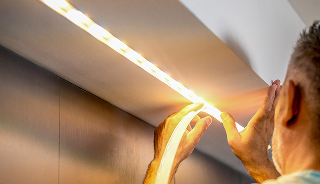
- Programming your room’s cove lighting to brighten slightly earlier each morning
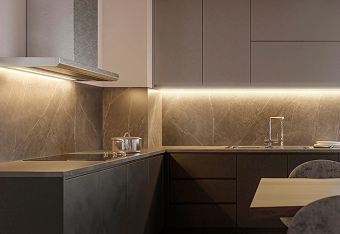
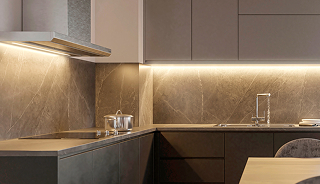
- Advancing under-cabinet task and cooking light schedules
- Adjusting automated dimming scenes in your living room or home office
2. Go for a Calming Interior Design with Layers of Light
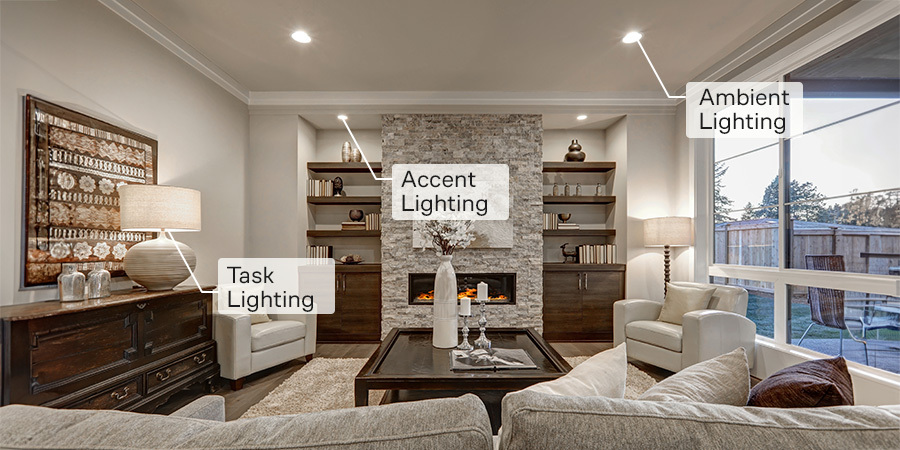
When we’re even slightly sleep-deprived—irritable, sluggish, or just a little off—harsh overhead lights feel even harsher. Shadows seem heavier, and contrast becomes more fatiguing. That’s why a layered design approach, one of our go-to recommendations for home lighting projects in any room, is so important.
Instead of relying on a single central fixture or chandelier, different sources can work together in a friendlier scheme that adapts to your mood, your routines, and the moment:
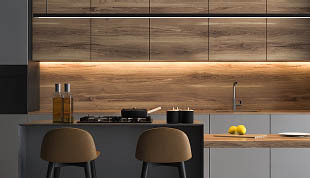
- Accent lights reduce visual strain by adding soft points of focus around the room, like LED strips above cabinets or inside shelving, so your eyes aren’t forced to adjust to one dominant, glaring source overhead.
- Task lights provide work-ready brightness exactly where and when you need it, like vanity sconces for getting ready or under-cabinet lighting for reading, so you don’t have to rely on an overly intense fixture when you’re not feeling your best or ready to focus.
- Perimeter ambient lighting, such as cove lighting along ceilings or in hallways, fills the room gently from the edges instead of casting light downward from a single point, helping the space feel calmer and more balanced.
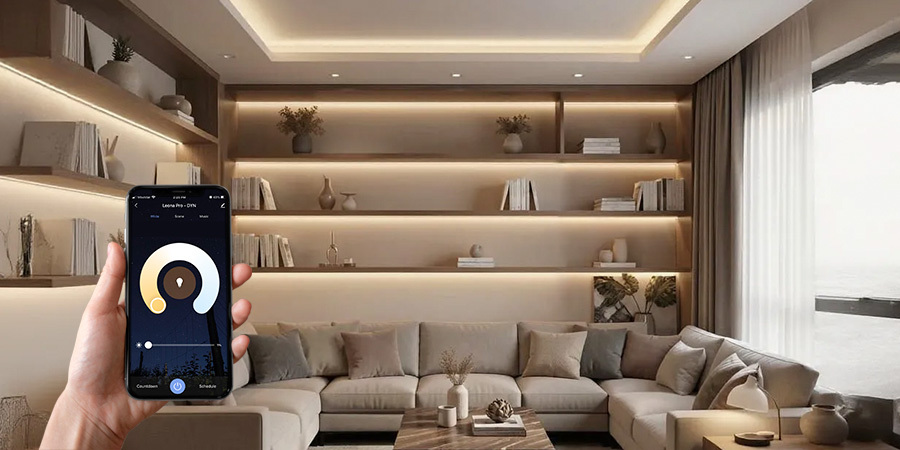
Together, these layers eliminate shadow pockets, ease transitions between bright and dim areas, and create an enveloping glow you can control—especially when your smart system allows for zoning and independent grouping of different LED components and lights.
3. Build Successful Morning Routines with Cool White Light
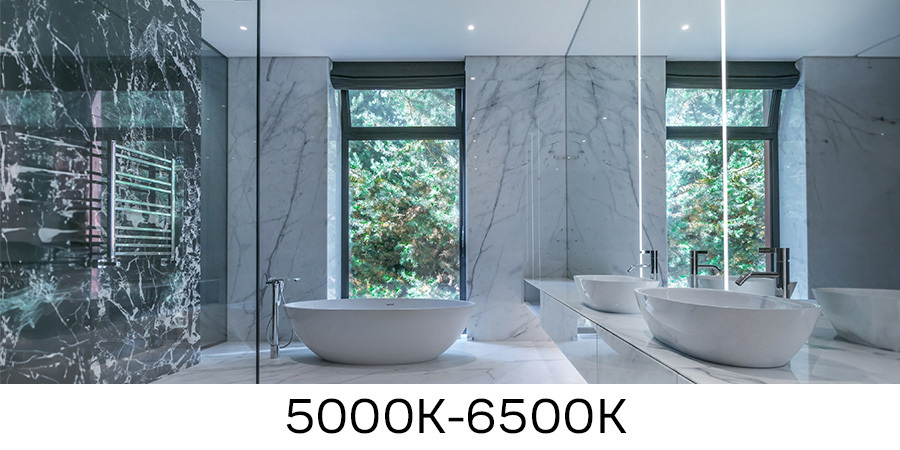
Now that we’ve covered the basics of placement and schedules, let’s talk about the actual color of your light. This is where CCT (Correlated Color Temperature) comes in. Measured in Kelvins (K), CCT is essentially a mood scale for your white light—ranging from a cozy, candle-like glow ("warm white", or 4000K or less) to a sharp, blue-tinted light (4000K and above, or "cool white").
To kickstart your brain, you want to reach for Cool White (5000K–6500K). Imagine walking into your bathroom at 7:00 AM; if your vanity is outfitted with high-Kelvin bulbs, that crisp, slightly blue light acts like a visual alarm clock.
It’s the same frequency of light that naturally hits the earth at dawn, signaling your brain to stop producing sleep hormones and start pumping out the cortisol you need to actually feel awake. Instead of squinting at a yellow bulb while you brush your teeth, that brightness clears the morning fog before you’ve even finished your first cup of coffee.
4. Try Neutral White Light to Boost Midday Productivity
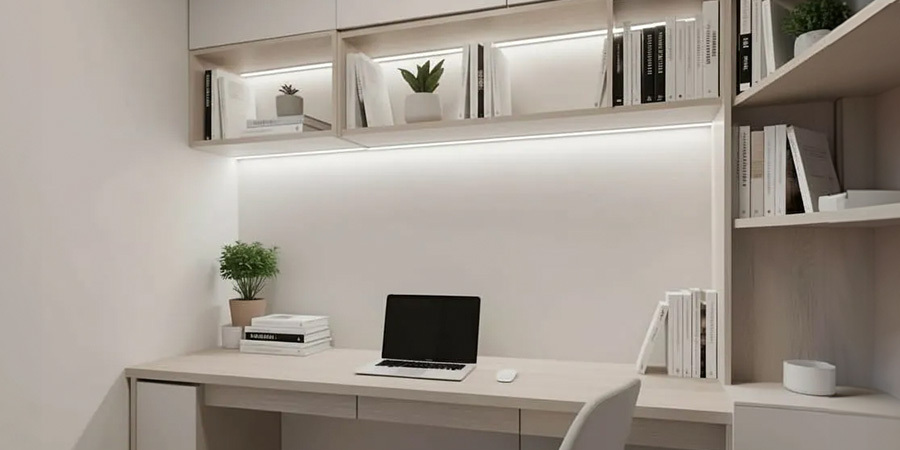
By 11:00 AM, that morning jolt can start to feel a bit too stimulating and jarring. This is the perfect moment to shift into Neutral White (around 4000K). This is the ultimate "get things done" light—it’s balanced, clean, and matches the high-noon sun without the harsh blue glare. For the same reason, it’s also our go-to recommendation when homeowners need a versatile, one-size-fits-all lighting solution for their spaces.
Picture your home office: When you’re under 4000K light, the text on your screen is sharp, and your eyes don’t have to strain to keep up. It’s the sweet spot that keeps your energy level steady through long spreadsheets, giving you clarity that prevents that dreaded 2:00 PM slump.
5. Create a Restful, Cozy Evening with Warm White Light
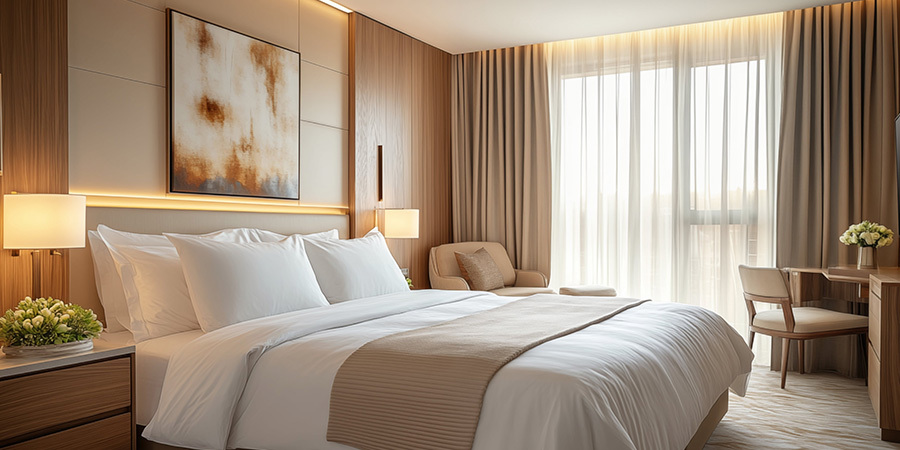
As the sun sets, your indoor spaces should follow suit. This is where you switch to Warm White (2700K–3000K). Imagine that this light is similar to that of a crackling fire or the classic bulbs you grew up with: soft, golden, and deeply relaxing.
At 8:00 PM, your bedroom should reflect the day’s natural wind-down: Overhead lights dimmed and bedside lamps casting a soft amber glow to create a relaxing environment. This warm light doesn't just look pretty; it’s a biological signal to your body that your time awake is soon to be over. It allows your brain to finally release melatonin, making the transition from work to bed feel like a natural slide into sleep rather than a forced shutdown.
6. Align Your Daily Biorhythm with Circadian Lights
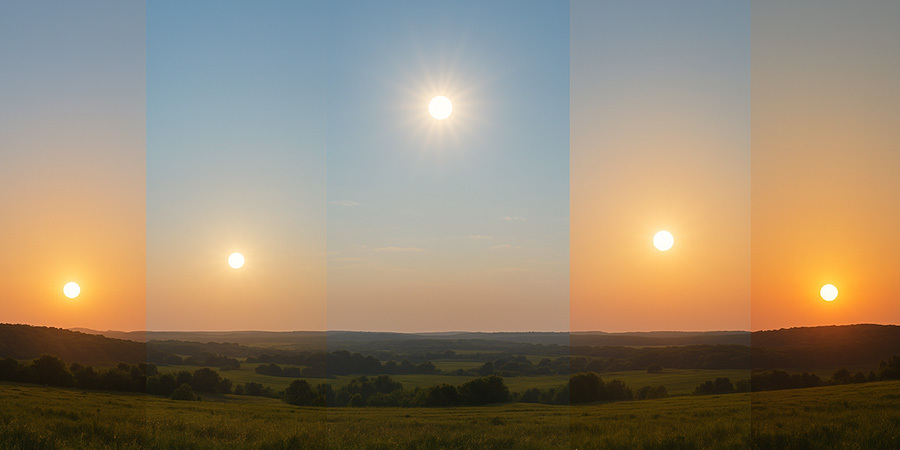
When you combine all these shifts, you aren't just changing the way you see your decor throughout the day or optimizing each moment—you’re actually aligning with your circadian rhythm (also called “biorhythm”). The problem with modern life is that regular, static white lightbulbs confuse our internal clock, keeping us tired yet wired because our brains think it’s noon when it’s actually midnight.
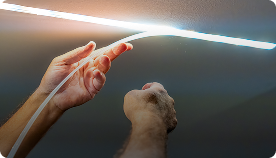
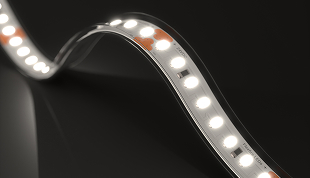
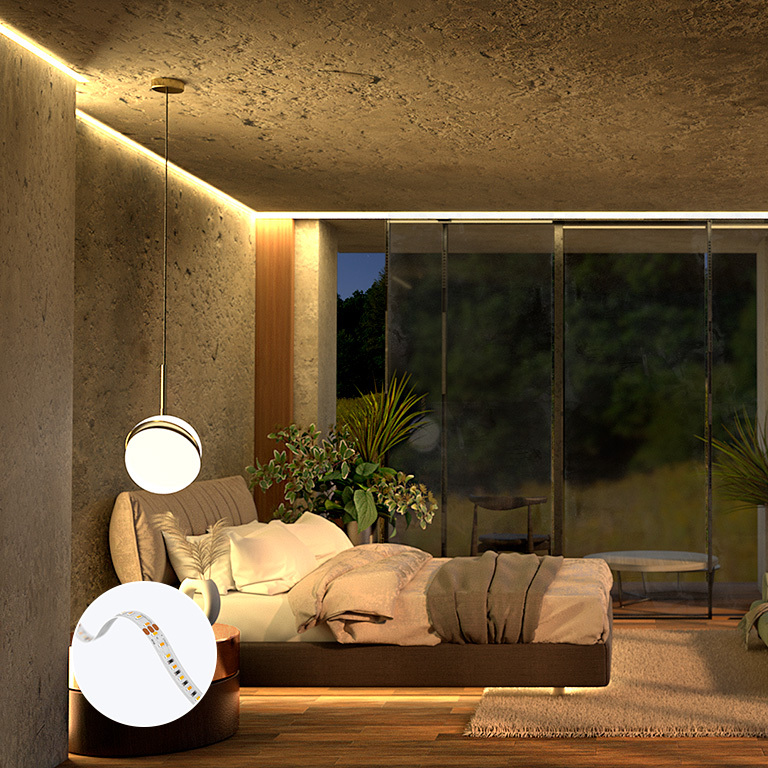
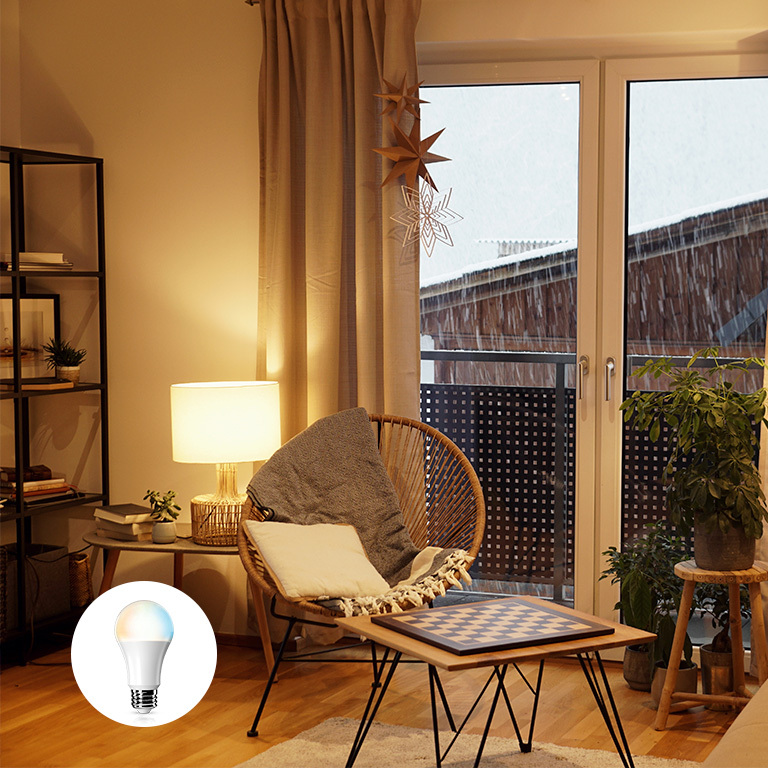
What’s great is you don’t need a closet full of different bulbs to fix this. You can control your well-being and biorhythm with tunable white LED technology. Instead of installing three different LED strips, one single dynamic tunable white strip can do it all.
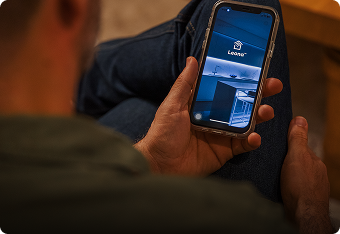
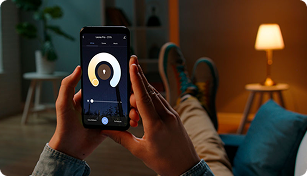
By pairing it—or a few Leona® Smart Bulbs—with your smart home app, your house can “follow the sun.” You can program them to wake you up with that 6000K cool punch, slowly transition to 4000K for your workday, and automatically dissolve into a 2700K golden glow by dinner.
It’s the ultimate life-hack: Your lighting works in the background to keep your body in sync, so you can focus on the day ahead.
Make Daylight Savings Spring Forward Easy with Flexfire
Thinking about wrapping up your home remodel before the end of Q1 and finally bringing in this technology so Daylight Saving Time doesn’t catch you off guard? Don't stress: You just need someone who knows how to strike the right balance between circadian-friendly lighting and this year’s most stylish LED trends.
Reach out to Flexfire and make any biorhythm-friendly lighting project feel easy. With our tips and products, those seasonal time jumps become a breeze—so the only “saving” in Daylight Saving Time is in time, effort, and, thanks to our recent price drop, a little money too.