





LED CCT Guide: 6 Tips to Better Kitchen Lighting
Cool or warm white kitchen lights? Discover which high-quality CCT lighting suits your space and how to use white LED lights for cooking or hosting.
- -Understanding CCT (Correlated Color Temperature) is key to choosing the right kitchen lighting.
- -Warm white creates a cozy dining atmosphere, while cool white improves focus and task visibility.
- -Keeping CCT consistent within the same kitchen zone avoids harsh contrast.
- -It is key to layer lighting by combining different CCTs for decorative and functional fixtures.
When we're designing our kitchen, we obsess over the grain of the stone countertop, the wood finish of the cabinetry, and the perfect tile for backsplashes. But we often overlook the one element that makes it all stand out—the lighting. Think of it like a world-class dish: An incredible flavor profile isn't enough if the presentation doesn't look good and well-lit from the start.
While it’s common knowledge that white light is the go-to for kitchens, simply saying "make it white" isn't enough. To truly own this room, you need to understand the nuances of color temperature and how they impact both your kitchen’s aesthetic and your daily workflow.
Ready to light up your kitchen the right way? Today, we'll discuss how to choose the perfect white light for this space.
What Is CCT & Why Does it Matter in Kitchen Lighting?
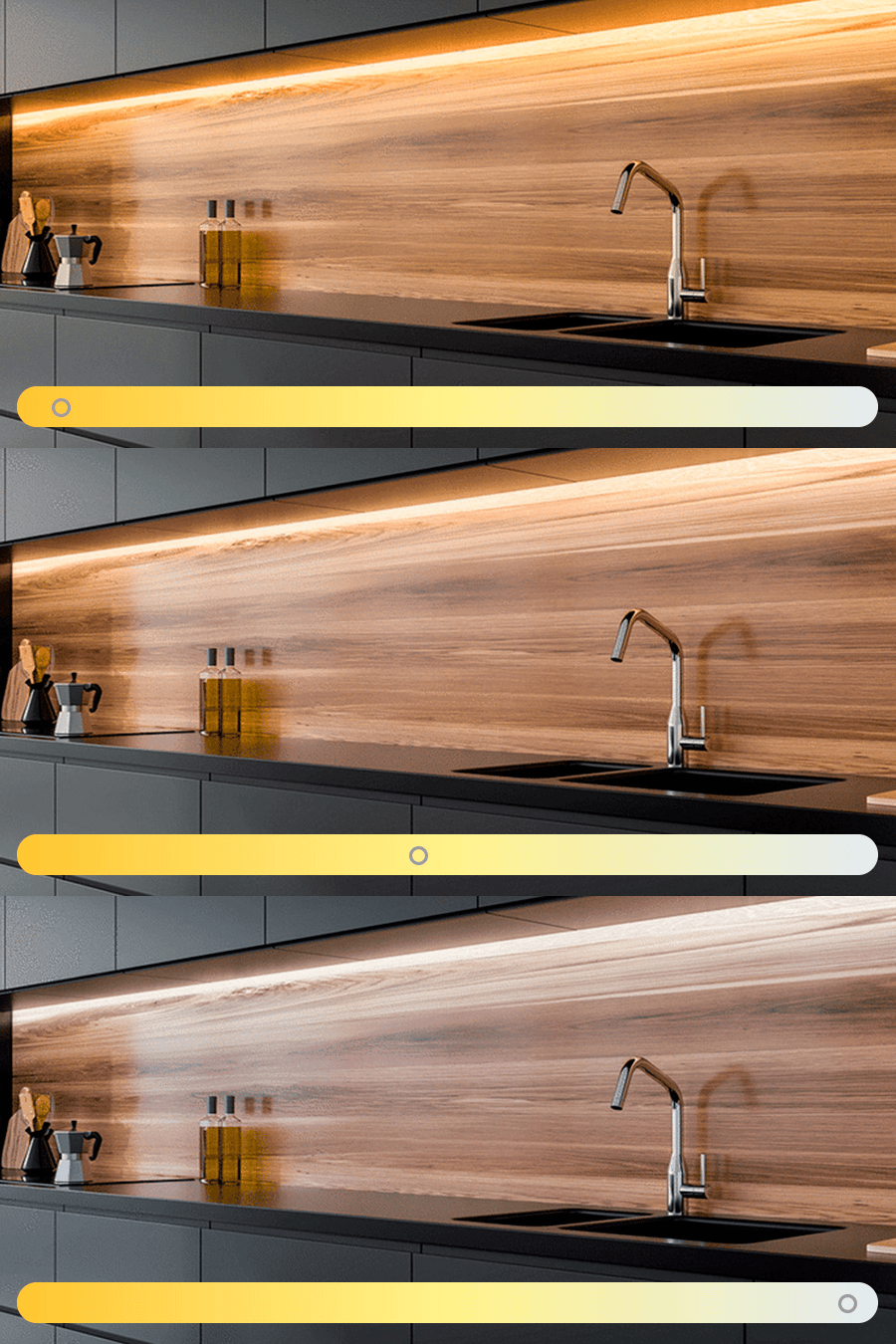
Think of CCT (Correlated Color Temperature) as the "mood" of your light bulbs, fixtures, and LED strips. It’s the technical term for how "warm" (yellow/amber) or "cool" (bluish/crisp) a white light appears to the human eye, and we measure it in Kelvin degrees. Even though we are talking about "temperature," it’s not about how hot the bulb feels to the touch, but about the psychological and visual effect it has in your kitchen.
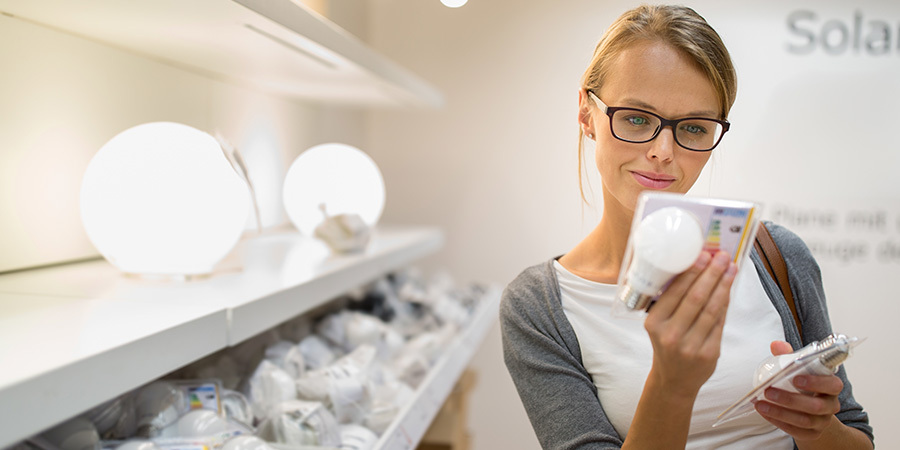
If you want to see CCT in action, go to your local hardware store and look at the lighting aisle. Put your hand under a 2700K bulb and then under a 5000K bulb. You'll notice your skin tone looks healthy and tan under the warm light, but potentially "pale" or "veiny" under the cool light. Your kitchen surfaces react the exact same way. What does it mean?
Cool White vs Warm White Kitchen
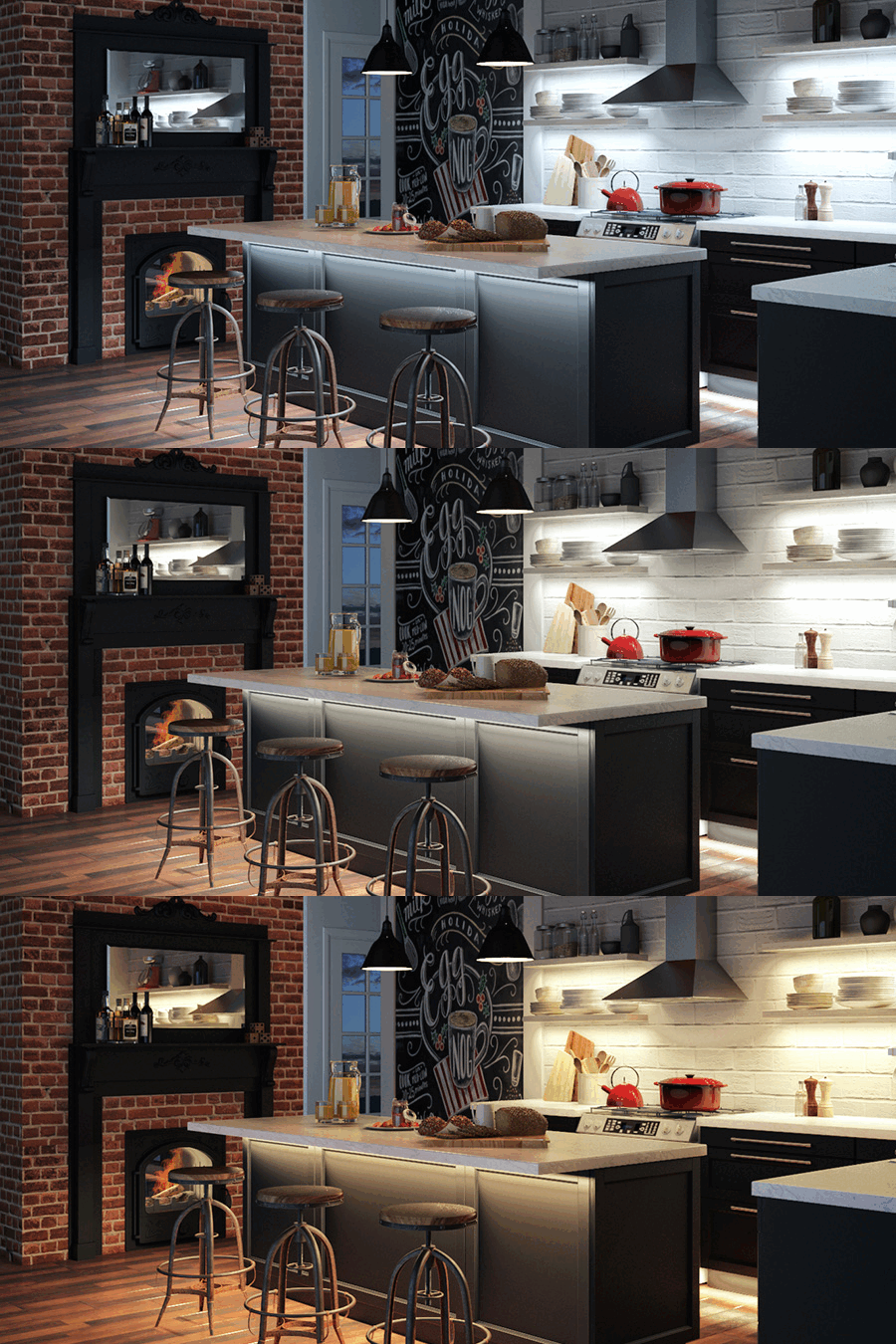
Generally speaking, we associate temperatures below 4000K—often called "warm white"—with relaxation, intimacy, and those slower moments dedicated to family and comfort. In the kitchen, this is your "hosting" light. It’s the perfect cozy glow for a night of pasta and wine with friends, or for when you’re fixing a quiet snack right before bed.
On the flip side, temperatures above 4000K are known as "cool white," and they are essential for getting things done. Think of any activity that requires focus and high visibility: packing the kids' lunches, deep-cleaning a pantry, or even knocking out some work on your laptop at the dining nook. When you need to be precise, cool light is your best ally.
Designing your kitchen’s lighting means understanding these specificities more thoroughly and strategically planning when to use one over the other—or, ideally, how to use both interchangeably. To help you master the balance, here are our top six recommendations.
1. Audit Your Existing Kitchen Light Fixtures
One of the core principles of CCT in kitchens and all spaces is consistency. Within the same "zone" (for instance, under cabinets), you want balance. No one wants a jarring clash between a clinical 6000K blue and an ultra-warm 2800K amber. Strategically, achieving this harmony comes down to two key steps when building or upgrading your kitchen.
First, if you are adding new lighting to an existing kitchen, start with a compatibility check. Test your current bulbs—like those in your island pendants—to match their CCT with any new products. If possible, do so side by side before the final installation to ensure the tones align.
Second, don't assume that the same number on the box means the same look on your counter. Even if two products claim the same CCT, variations in raw materials and manufacturing quality can cause noticeable differences in person. A pro tip: Whenever possible, source your lighting from the same manufacturer or batch to ensure that "warm white" looks identical across every corner of your kitchen.
2. Layer Your LED CCT Between Accent & Task Lights
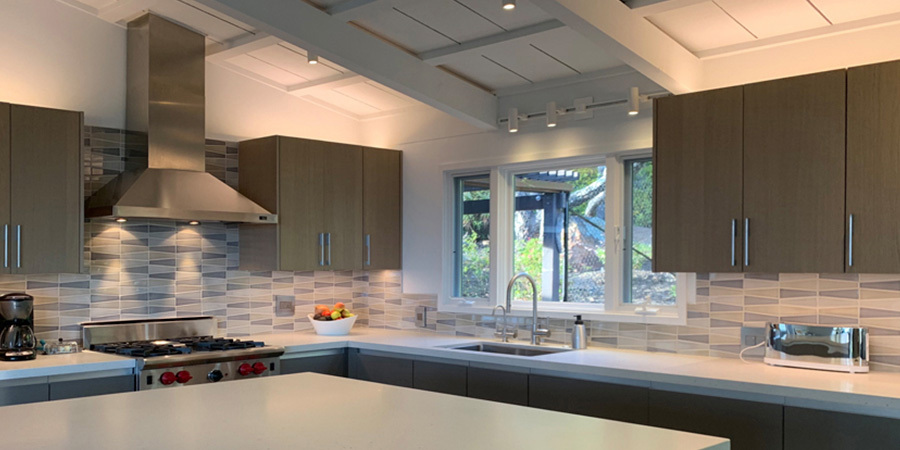
Kitchen lighting possibilities are endless, but a single type of white rarely does it all—especially in a space as multipurpose as this. Variety is essential: some fixtures are purely decorative, others are strictly functional, and still others are meant to fill the entire room with light.
To take full control of your space, your approach must be layered, and that layering starts with selecting the right CCT for every source. Think of lighting layers like the ingredients of a recipe: You need the right base, the right texture, and the right garnish to make it work.
By understanding how different white tones interact, you can optimize your prep areas, prevent your design from looking flat, and be ready for every occasion in your kitchen. Here is how to strategically mix your white CCTs to create an equally beautiful and practical kitchen:
Maximize Cool White Visibility for High-Frequency Cooking
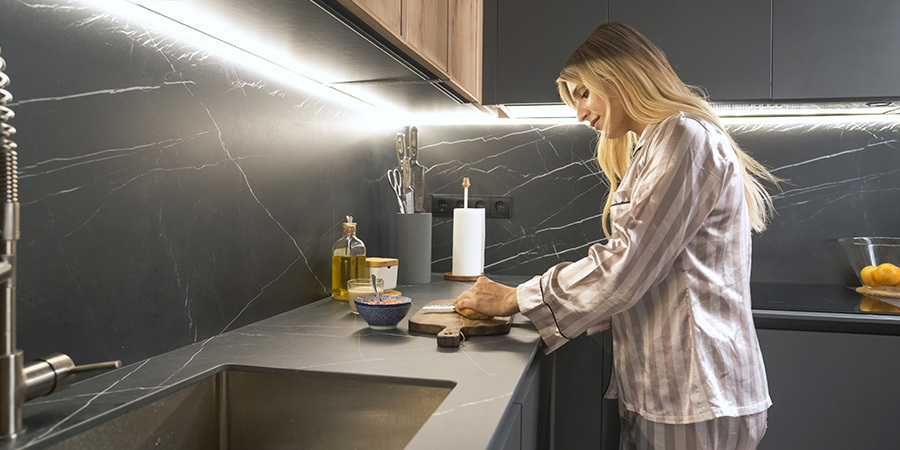
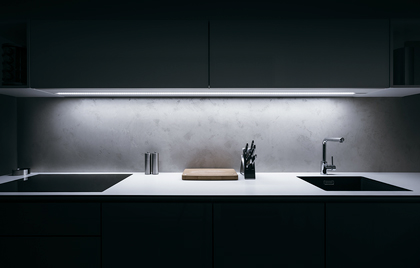
As a rule of thumb, task lighting requires a crisp, cool temperature above 4000K. That means the light you rely on to read and prepare a complex Thanksgiving turkey recipe, organize groceries by expiration date, chop vegetables with precision, measure ingredients accurately, check food labels for allergens, spot spills on countertops, or review paperwork at the kitchen island or under cabinets should be bright, clear, and sharply defined.
Harness the Coziness of Warm White Light for Hosting
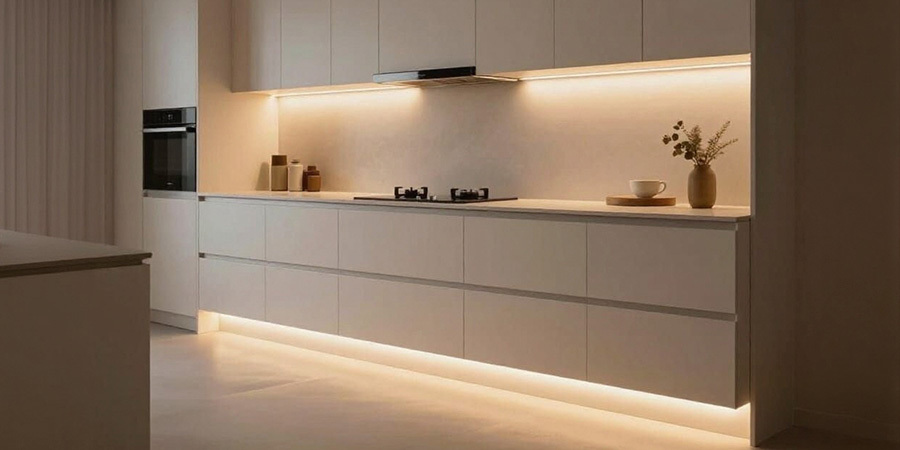
On the other hand, accent lighting designed to enhance the mood during special occasions—whether celebrating a birthday or enjoying a quiet, romantic evening in the kitchen—should feel cozy and inviting, typically between 2800K and 4000K. This is also the ideal range for everyday social moments around the house, providing a comfortable, flattering background glow.
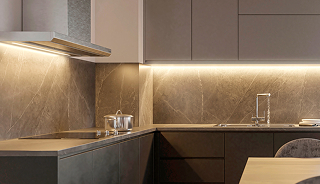
This atmosphere can be achieved through a range of decorative kitchen lighting applications, from overhead and under-cabinet fixtures dimmed to lower brightness and warmer CCT settings to subtle accent placements such as toe kicks, above cabinets, and under or inside countertops.
Choose Neutral White Light for General Illumination
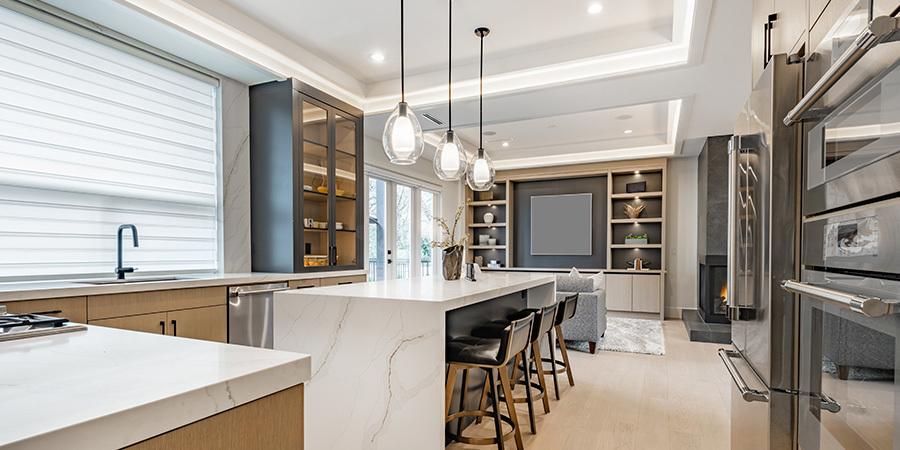
But what about ambient lighting? Any ceiling or overhead fixture designed to illuminate the entire kitchen needs to strike the perfect balance. You’re aiming for a natural or neutral white that sits right in the sweet spot between cool and warm.
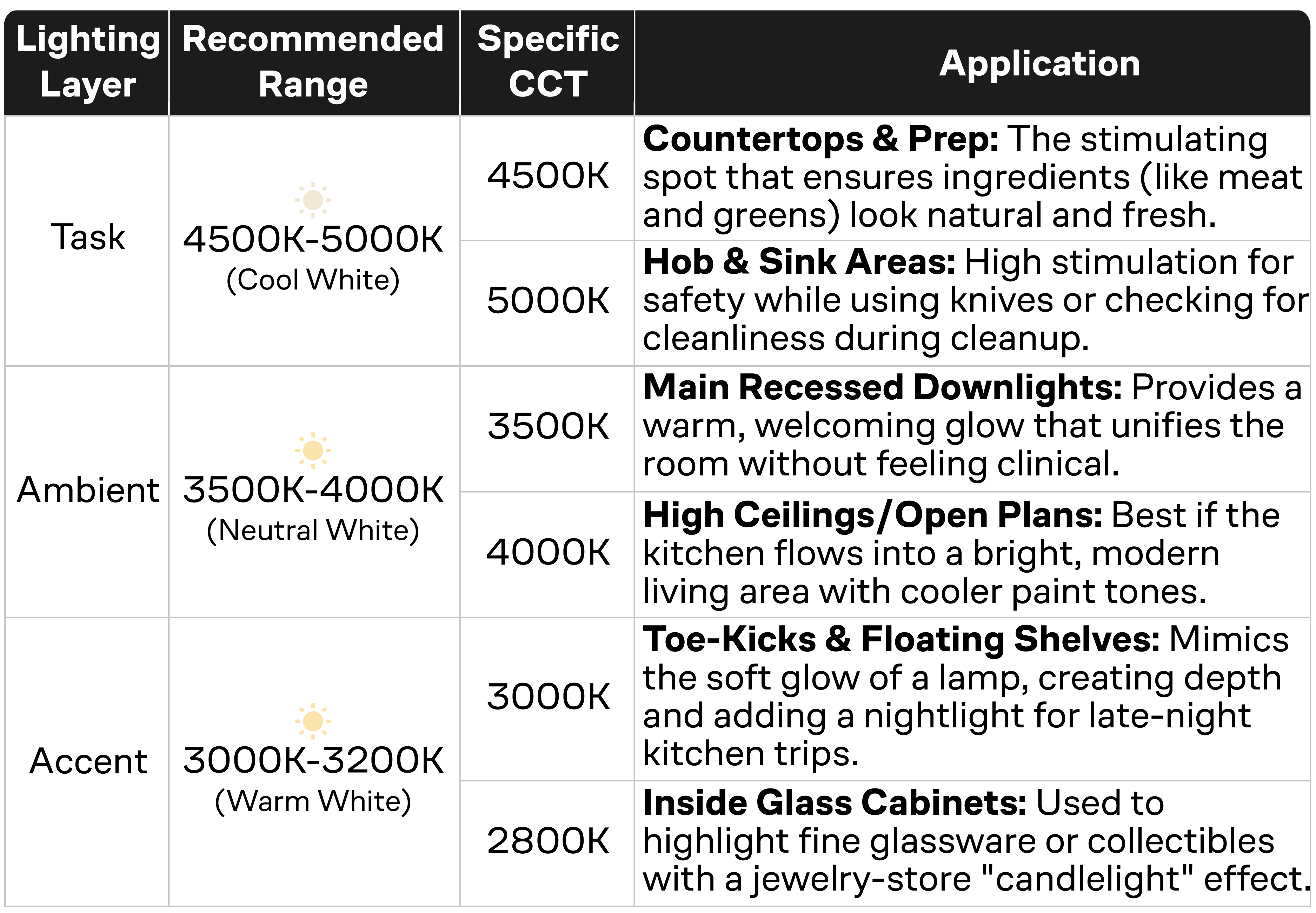
CCT Lighting Chart: How to Create Your Layered Kitchen Lighting
To take the guesswork out of your design, here are the specific values you should be aiming for:
3. Map Out Your Daily Kitchen Chores & Cooking

Certain kitchen activities require different shades of white light from start to finish. Take daily cleaning, for example. The nitty-gritty part—when you’re scrubbing with cloths, water, and degreaser—calls for crisp white light so you can see every detail clearly. But once everything is spotless and shining, warm white light helps the space look inviting again, enhancing the colors of your finishes and utensils and making the kitchen feel ready for the next cooking session.
The same principle applies to the lighting required for cooking. Prioritize high-precision cool white light (4000K–5000K) for safe chopping, detailed prep work, and boiling. Then transition to warm white lighting (2700K–3000K) for plating and dining, where the softer hue enhances food color, creates visual richness, and naturally stimulates the appetite.
4. Coordinate Your LED White Lights with Kitchen Cabinet Materials & Countertops
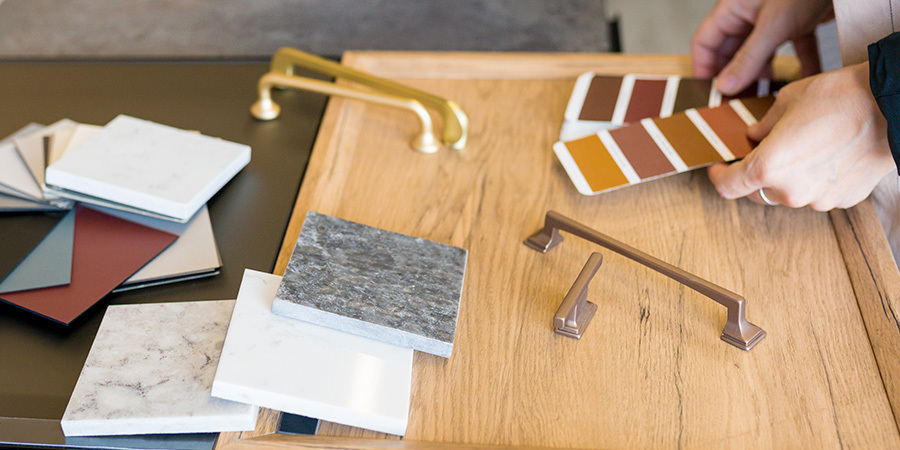
Think of your lighting as the final finish on your materials. If you’ve invested in high-end white marble or quartz countertops, a warm 2700K LED strip can make that crisp stone look yellowed, like an old photograph. On the flip side, if you have rich walnut cabinets or brass hardware, a cool 5000K light will wash out the natural wood grain and make those gold tones look cheap and greenish.
For the best results, look at your undertones. If your kitchen features cool grays, blues, or stainless steel, a 3500K to 4000K light will keep the space looking sharp and clean. But if you’ve gone with earthy oaks, cream-colored tiles, or terracotta, stick to 3000K. It provides enough clarity for meal prep while keeping the wood and stone textures feeling cozy and real.
5. Default to 4000K Light When You Can Only Choose One
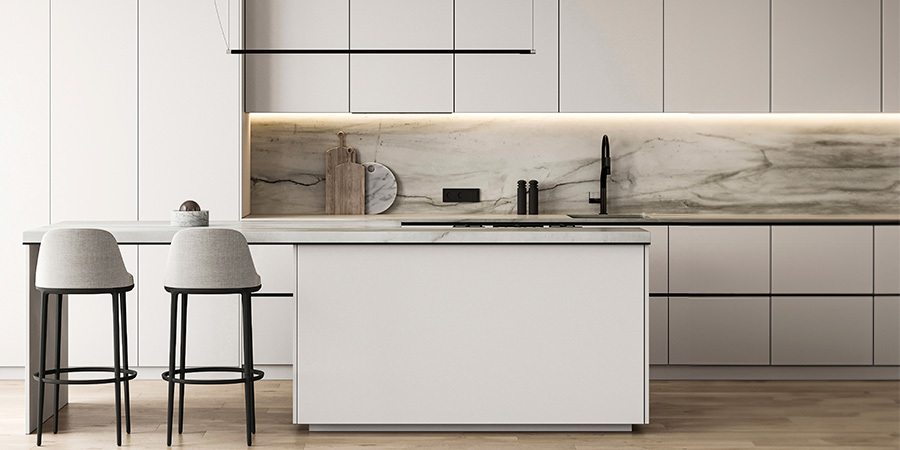
If you’re stuck in a one-size-fits-all situation, 4000K is your ultimate safety net. While a <2500K might be too sleepy for morning coffee and 6000K feels like a hospital wing, 4000K (neutral white) gives you the best of both worlds. It provides enough clarity to see exactly what you're doing without making your kitchen feel cold or uninviting.
This is the sweet spot because it’s high-contrast enough for precision work, like finding a specific spice in a crowded pantry or checking if your chicken is perfectly browned, but it’s still gentle enough for a casual gathering. If you have a modern kitchen with a mix of wood and stone, 4000K is the great equalizer. It’s the reliable, no-regrets choice that ensures your kitchen is functional at 7:00 AM and beautiful at 7:00 PM.
6. Invest in a Tunable White Circadian Lighting System
If you’d rather not worry about matching specific CCTs to every kitchen task—or purchasing different fixtures for each location—there’s a better solution: tunable white LED technology. With a simple slide of your wall dimmer, you can shift the tone of white light to match the moment.
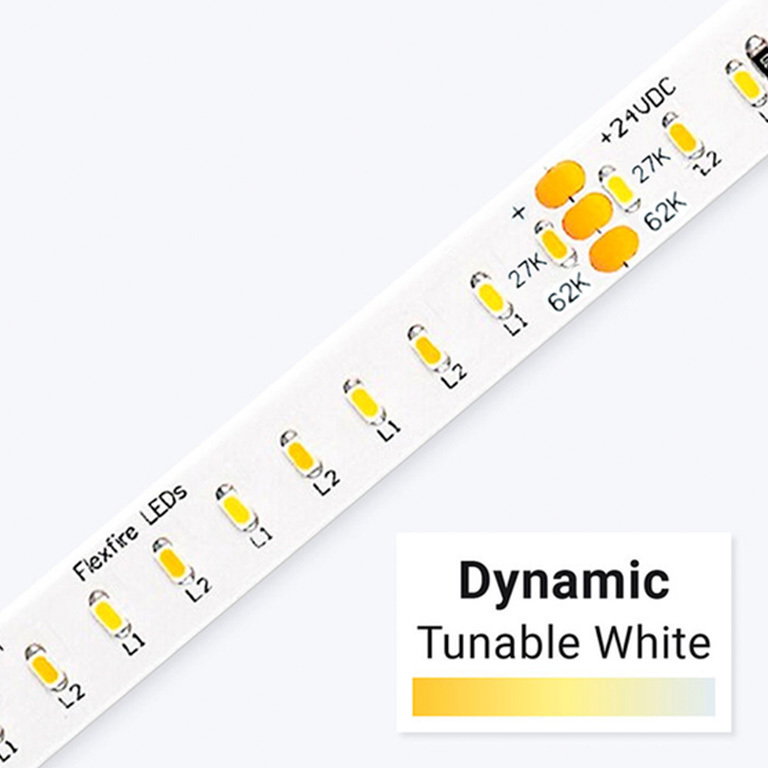
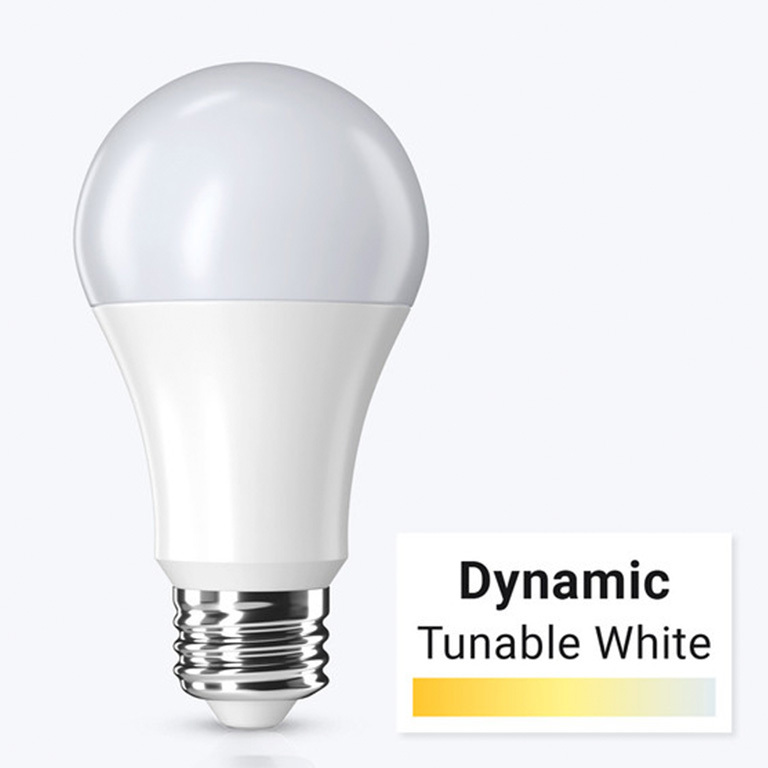
By investing in tunable LED strips or CCT-adjustable smart bulbs, you no longer have to choose between a highly productive workspace and a cozy gathering hub. Your kitchen effortlessly becomes both! Whether you need the stimulation of 5000K for kneading or the intimate warmth of 2800K for tea with friends, the transition happens seamlessly.
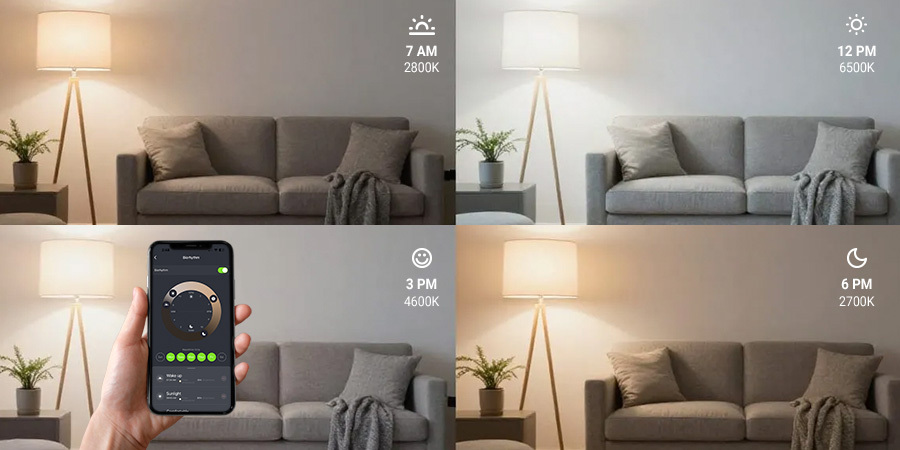
Even better, when integrated into a smart home lighting system, tunable white can support your well-being. By programming your lights to follow a circadian rhythm schedule, your kitchen lighting gradually shifts throughout the day—mirroring natural sunlight and helping regulate energy levels, metabolism, and sleep quality. Enjoy breakfast under balanced neutral light, cook lunch under energizing cool white, and wind down with a midnight snack beneath warm, restful tones.
CCT Lighting Made Simple with Flexfire
Understanding these lighting nuances is invaluable when designing your kitchen or your entire home. After all, this is a space that shapes your daily nutrition, your downtime, your social life, and even your income if you run a food business or create culinary content. Making informed lighting decisions here truly matters.
The good news? With expert CCT guidance from Flexfire, those decisions don’t have to feel overwhelming. Whether you’re looking for a precise white temperature or a more expansive solution beyond tunable lighting—such as systems that offer a full range of color alongside dynamic whites—you’ll have the right support to get it exactly right.
Ready to hit the mark with the perfect white for your dream kitchen? With the right CCT (and the right team behind you!), it’s easier than ever.