


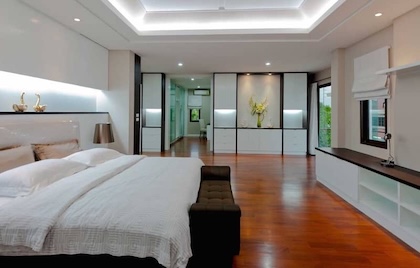
Layered Lighting 101: Ambient, Task, and Accent
A great lighting plan is never built on a single source. Spaces that rely on a single type of light tend to feel dull or unfinished, regardless of how much money you spent on the fixtures. Different types of lighting work together to create a cohesive space.
Layered lighting uses three distinct types of light: ambient, task, and accent. Each layer serves a different function and addresses a different visual plane in the space. Together, they give you the tools to shape how a space looks, feels, and functions.
Let's look at the three core layers, what each one contributes, and how to sequence them effectively across commercial and hospitality projects.
First Layer: Ambient Lighting Sets the Foundation
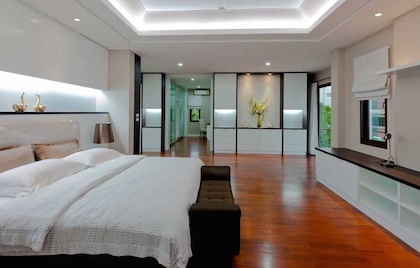
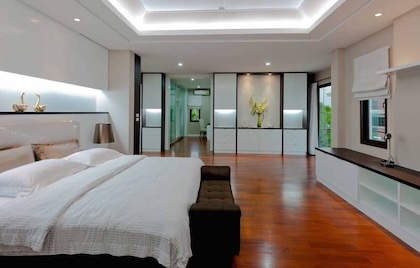
Ambient lighting is the primary light source in a space. It provides overall illumination and sets the baseline brightness for everything that follows. In commercial settings, ambient light typically comes from:
- Overhead fixtures
- Recessed downlights
- Pendant lights
- Cove lights
CCT (Correlated Color Temperature) is important in ambient applications. Light in the 2700K to 3000K range delivers the warm, inviting tone common in hotel lobbies and upscale restaurants. Spaces that need a sharper, more alert quality, such as office environments or commercial kitchens, often call for a color temperature in the 3500K to 4000K range.
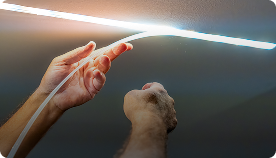
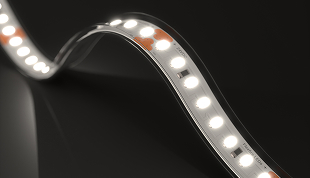
Tunable LED strips let you cover both ends of that spectrum with a single system. This means your space can serve different functions across the day and always deliver the appropriate mood.
High CRI (Color Rendering Index) options of 90 or above ensure that materials, finishes, and brand colors render accurately under the light. Premium materials and carefully considered color palettes are significantly affected by lighting. Choosing the right ambient light emphasizes the colors you've selected for the space. The wrong light will undo your thoughtful color choices.
Second Layer: Task Lighting Targets the Work Zone
Task lighting serves a specific activity or function area. It supplements ambient light by delivering focused illumination where precision matters, in places like:
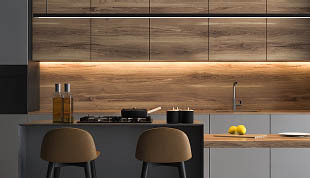
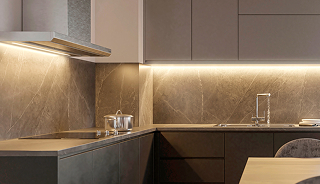
- Under-cabinet lighting in a restaurant kitchen
- Lighting above a hotel front desk
- Strip lights inside a commercial display case
- Cubicle lighting in an office
- Reading lights at a hotel bedside
For designers, task lighting is also where dimming quality matters most. Smooth dimming from 100% down to near zero lets a task light serve multiple functions across different times of day and activity levels.
A front-of-house station that provides bright prep lighting during lunch service should dim gracefully when the restaurant transitions into a lower-light evening setting. Specifying a driver and dimmer combination that supports full-range dimming without flicker is worth the extra specification step.
If you aren't sure how to do that, look for an LED company that offers free lighting consultations and advice. They can help you spec the right pieces for your goals and make sure everything is compatible.
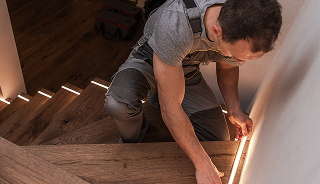
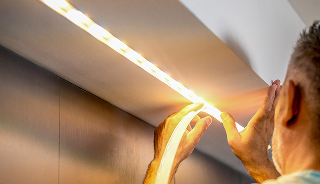
For installers and contractors, task lighting is where component compatibility becomes critical. A complete LED strip task lighting setup includes:
- The light strip
- A driver to convert AC to DC at the right voltage
- A controller or dimmer for adjustable output
- Mounting channels to direct the beam and protect the strip
- The appropriate connectors and wiring for the run
Skipping any of these components is one of the most consistent sources of callbacks on professional LED lighting jobs.
Specify hardwired drivers with knockouts for applications that require conduit hookup. On longer runs, 24-volt systems handle voltage drop better than 12-volt systems, which matters in commercial kitchens, long cabinetry runs, and any task lighting application where the strip runs more than 10 to 15 feet from the power source.
Third Layer: Accent Lighting Defines the Space
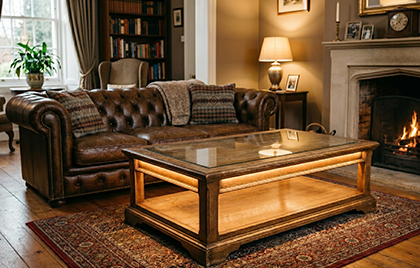
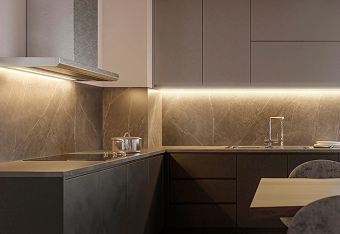
Accent lighting is decorative. It highlights architectural features, materials, and design moments rather than illuminating a work zone or an entire room. Applications include:
- Toe kick lighting beneath lower cabinets
- Over-cabinet strips that wash the upper wall
- LED strips behind a backlit panel
- RGB lighting inside a built-in entertainment unit
In hospitality and commercial spaces, accent lighting has an outsized effect on how guests experience your brand. A hotel bar that uses warm accent strips to highlight a feature wall reads very differently from one relying solely on overhead fixtures. A restaurant that accents its ceiling with tunable white LED strips can highlight architectural details while still allowing the room's mood to shift between a casual lunch service and an evening dinner setting.
Warm, dim illumination creates a more intimate atmosphere at lower light levels without the need for a separate fixture. Using dim-to-warm strips gives you a space that responds to time of day and occupancy with no visible hardware and no additional controls to manage.
RGB and RGBW strip options expand the creative range for entertainment spaces, branded environments, and any application where colored accent lighting is part of the design brief.
Think of your accent lighting as the finishing touch that completes the space. Make selections that enhance your vision and allow flexibility across uses and moods.
Build a Layered Lighting Plan
Start with ambient lighting. Establish the baseline illumination level for the space and select a color temperature based on the activity, mood intent, and brand requirements. Once the ambient layer is defined, identify the task zones and specify lighting for each functional area. Add accent lighting last, using it to highlight the architectural moments, materials, and design details that define the space.
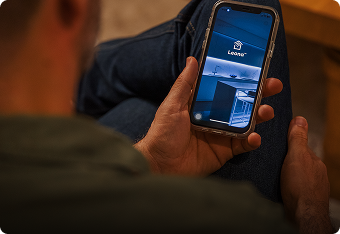
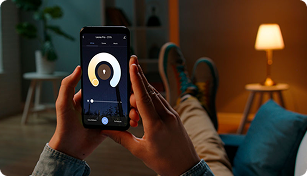
Controls and dimming tie all three layers together. A space where each layer is independently dimmable offers the client far more flexibility than one where all circuits share a single switch. For professional projects, this means coordinating drivers, dimmers, and controllers during the specification phase, not during installation. Smart controls with app-based or voice-activated scenes allow clients to activate all three layers at preset levels simultaneously, which adds real value in hospitality and multi-use commercial environments.
A few checkpoints before finalizing a layered spec:
- Confirm color temperature alignment across all three layers. Significant mismatches between ambient and accent strips create visual tension that is hard to resolve after installation.
- Verify that strips, drivers, and controllers are specified as a compatible system, not as individual line items sourced separately.
- Plan for voltage drop on longer runs, particularly in ambient cove applications and continuous task lighting runs.
A layered approach takes more specification time upfront. The payoff is a space that looks and functions better.
Layer All Three Lighting Types for Maximum Impact
Ambient sets the stage. Task supports the work. Accent defines the character. None of the three layers earns its full value alone. A professional lighting result comes from how they work together.
Understanding what each layer does prevents the most common specification mistakes. Overlit rooms feel clinical, underlit zones create hazards, and carelessly applied accent strips undermine the design intent. Properly coordinating all three layers before a project breaks ground reduces post-installation change requests and creates lighting that improves both the function and atmosphere of the space.