
2026 Lighting Trends: 14 LED Ideas for a Stylish Home
Shape your home renovation journey around 2026 home design trends with LED premium solutions, modern lamp shades and DIY lighting ideas!
2025 is over, and most of you have already set your New Year’s resolutions: spend time with family, take that long-dreamed-of trip… When it comes to your homes, the early days of January also offer a calm moment to declutter (hey, garage-sale enthusiasts!) and rethink your spaces.
After all, your home always has room to improve, and a refreshed environment sets the tone for new ideas and positive change. Naturally, lighting plays a key role in this.
A new year is the perfect time to plan—or even start finally—the better-lit, more functional space you’ve been imagining. What are the hottest LED lighting and design trends for 2026? How can you give your home a modern look in a simple, DIY-friendly way? In this blog, we share 14 lighting ideas you should try in the coming months.
1. Opt for Surface-Mounted Light in Work Surfaces & Shelves
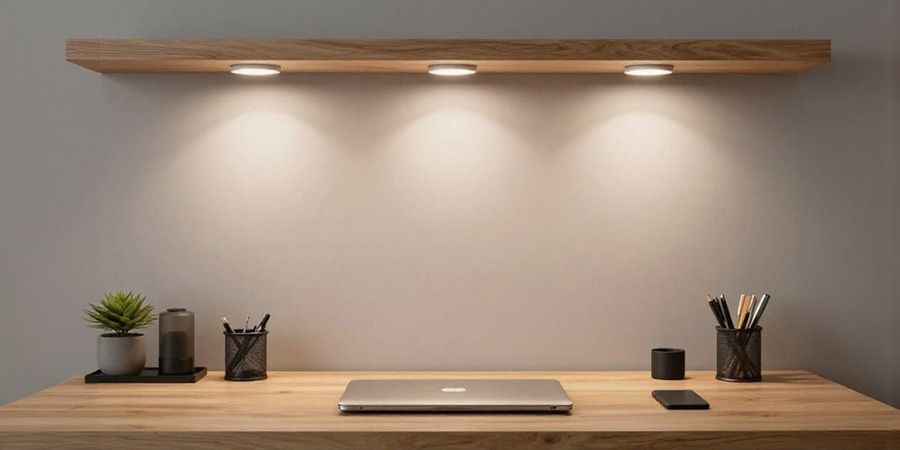
Your desk or kitchen counter task light housing—which contains the components that make the light possible—should be visible, but the bulb itself shouldn’t, to deliver a cleaner look and a more comfortable light.
For example, if your goal is to light your workbench shelves so you can find everything easily—think about chrome-vanadium wrenches set against a neutral background—you’ll want to look for LED puck lights designed for surface mounting, with mostly the cylindrical part visible.
What to Avoid: Recessed task or ambient lighting installations with visible LEDs, even more so if they’re ceiling downlights.
2. Apply Indirect Lighting When Installing LED Linear Light
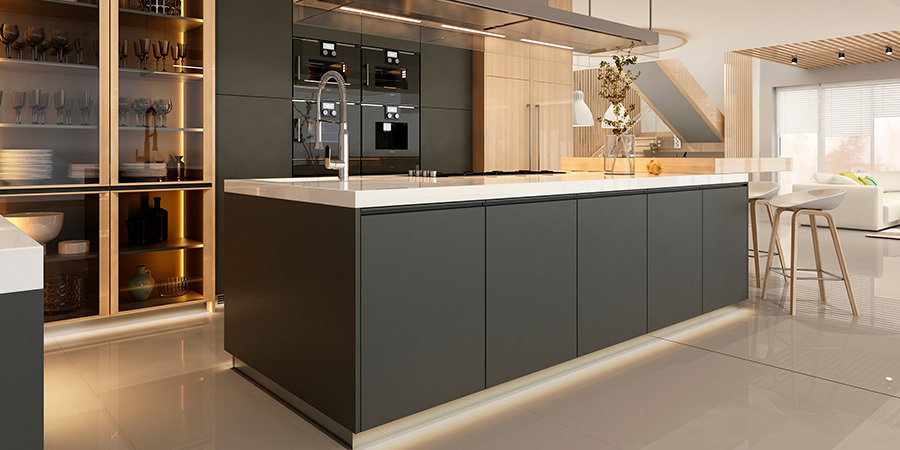
The horizontal reach of LED linear lighting makes it especially useful at home. It’s easy to hide, can cover long distances, and is simple to install with adhesive backing or mounting clips—often as a DIY project. This year, we’re using it in indirect applications, mainly for task or general illumination across entire rooms.
For example, a soft-color and warm-white LED strip installed along the underside of your lower kitchen cabinets is perfect for dawn trips to the kitchen to prepare your kids’ lunches without hurting your eyes.
In both cases, the goal is the same: functional light, with the LED chips kept completely out of sight.
What to Avoid: Direct, geometric pendants, wall art built into grooves, or recessed wall lines.
3. Diffuse Lighting to Avoid Glare & Unnecessary Hot Spots
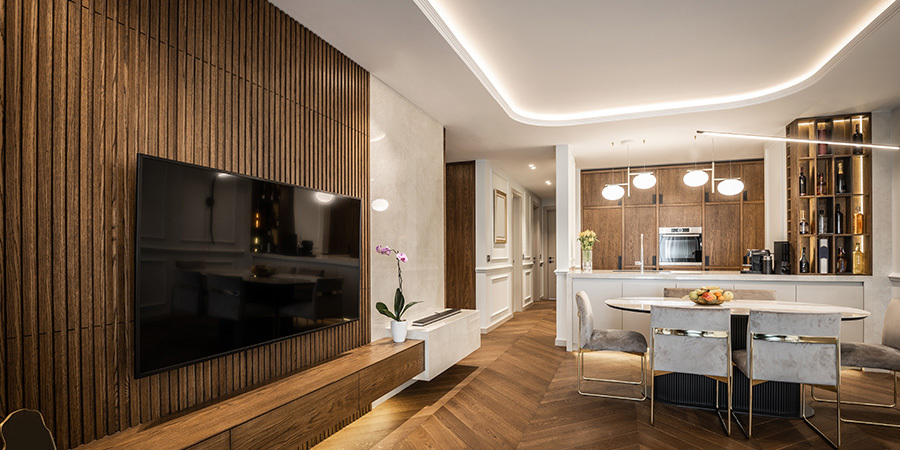
In addition to using indirect linear installations, this year it’s also recommended to add some kind of LED diffuser or an aluminum channel with a similar frosted or matte lens. This helps soften the light even more.
For instance, if the lighting in your living room sits in a cove and creates glare on the ceiling or walls, a diffuser or certain aluminum profiles can prevent harsh reflections. They ensure the light stays even and comfortable, without unwanted shadows or bright, distracting spots.
What to Avoid: If you’re using mounting channels, avoid those with fully see-through covers.
4. Experience Biophilic Lighting with Tunable White Tech
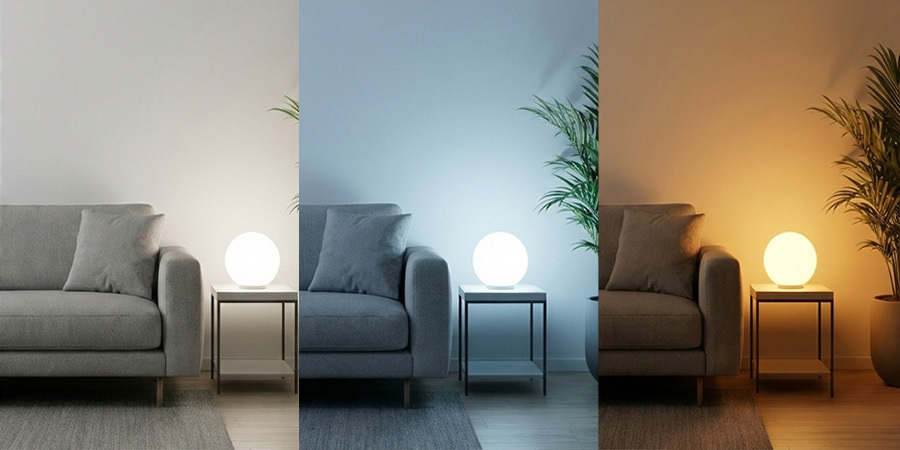
The sun follows a natural rhythm in different shades of white from dawn to dusk. All living beings rely on it for mood, sleep, hormonal regulation, productivity, and more. Most of us spend much of our time indoors and need a little extra help to enjoy the rewards of this natural cycle.
That’s where biophilic or circadian lighting comes in. This year, as remote or hybrid work increases, it stands out as one of the most effective ways to bring nature back into your home.
Indoors, its benefits can be achieved through two key elements: an intelligent lighting system that supports human-centric capabilities, and tunable white lighting that, when programmed, transitions from warm to neutral to cool white—and back again—over 24 hours. The result is better sleep, improved well-being, and a life more in sync with nature.
What to Avoid: Dull white lighting—or worse, incorrect white CCTs: cool light used before sleep and rest, and warm light applied to tasks that require alertness and stimulation.
5. Let Repeating Patterns in Nature Shape Unique Pendant Lamps
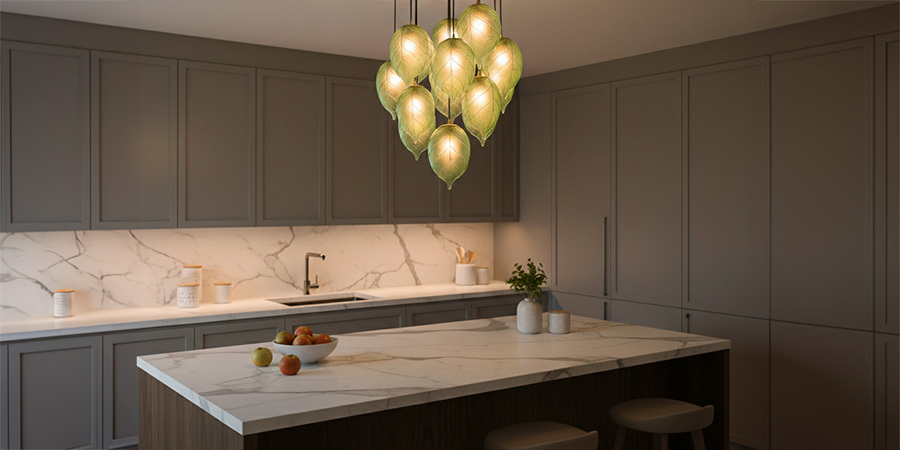
If you love hiking or animals and want to make the most of your vertical space in 2026, lighting inspired by biological forms is a fantastic place to start. These fixtures will help you miss the outdoors less, bringing a touch of nature indoors. They’ve become increasingly popular in pendant lighting, reflecting the growing environmental awareness of homeowners.
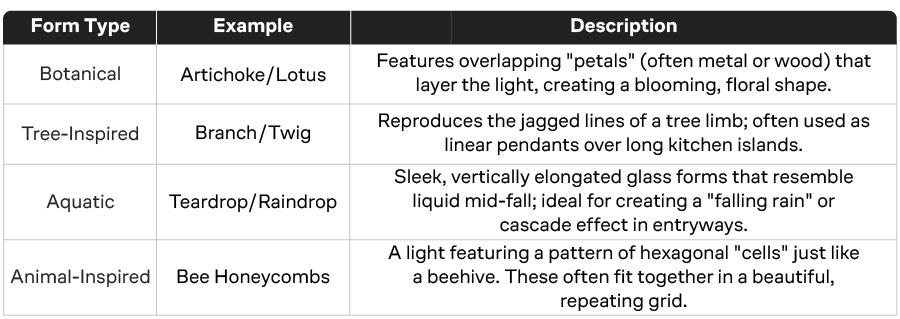
Does your home have high ceilings? These lights act as hanging sculptures, filling that vertical void. They’re also especially effective in kitchens, where they soften the hard edges of cabinets and countertops, or in entry halls. Try one of these organic shapes:
What to Avoid: Overly linear pendant lights or extremely cubic, rigid forms—all of which are industrial or rare and almost nonexistent in nature.
6. Think Statement, Think Oversized Lamps
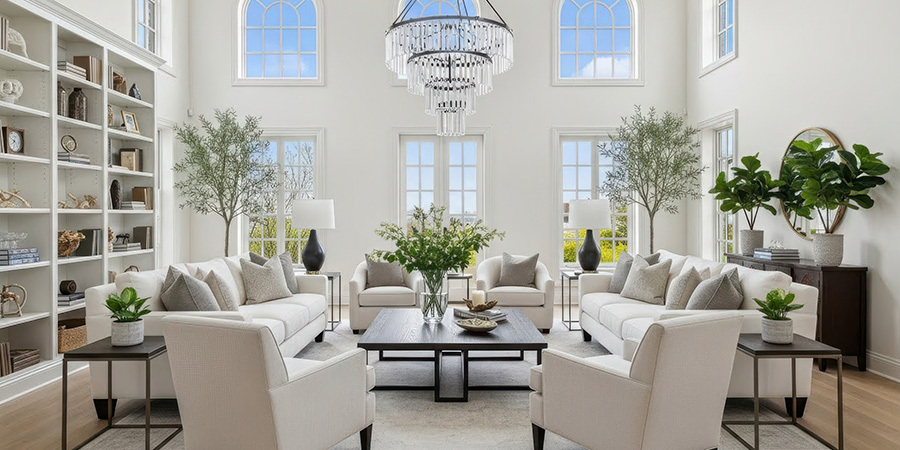
Beyond natural motifs, lamps must also meet another key aspect: scale. We’re talking large statement chandeliers that occupy a significant portion of the kitchen or living room.
What to Avoid: Lamps, pendant or otherwise, that are overly simple or generic.
7. Skip the Single, Central Lamp, Go for Layers of Light
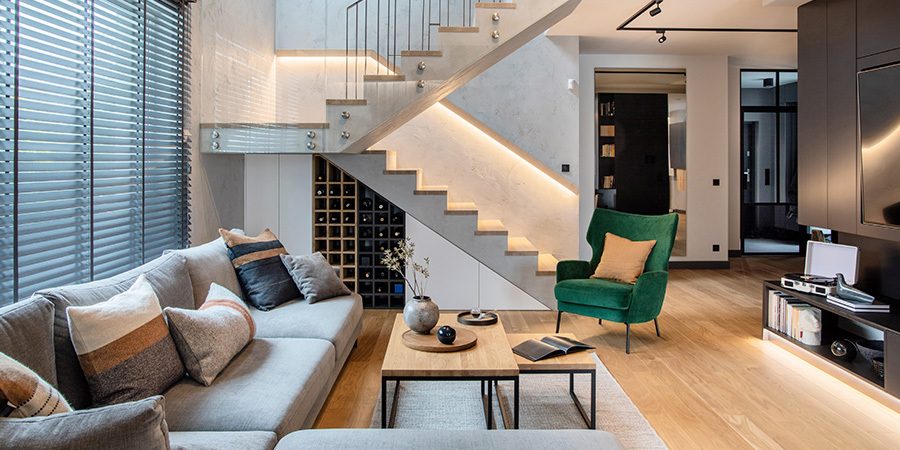
A lamp like the ones we’ve mentioned isn’t enough. In spaces where we often assume lighting is purely functional—such as exclusively for parking in the garage or using the bathroom—it’s easy to think one type of light will do. But in reality, that central source should be complemented with other layers of light, plus different white tones and light intensities.
For example, an ideal layered accent lighting scheme in a kitchen can complement a track lighting system that provides the main, central illumination: concealed LED strip lights inside drawers and cabinets, above cabinetry, and beneath countertop edges.
What to Avoid: Relying on a single central light in a space, particularly large recessed panels or a bare bulb without any shade or fixture.
8. Combine Different Lamp Materials for Maximum Impact
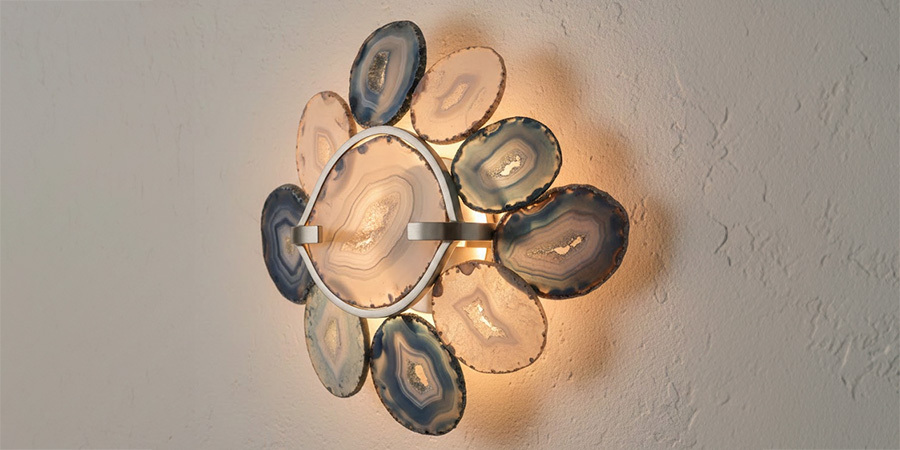
Another recommendation for your lamps is to look for designs that combine different materials. This helps highlight specific facets of your personality. For example, if your partner loves mineralogy and you’re drawn to jewelry, a wall sconce made with agate slabs and silver finishes could be an ideal choice for a hallway.
We recommend bulbs with a high color rendering index (CRI)—that is, their ability to reproduce colors vividly. While this is often prioritized so that nearby objects like artwork or flowers look their best, it also matters when the lamps themselves are works of art or feature textures.
What to Avoid: Flat, monotonous fixture designs and materials, or lights with a CRI below 90.
9. Incorporate Curved Light into Design (But Not Rings!)
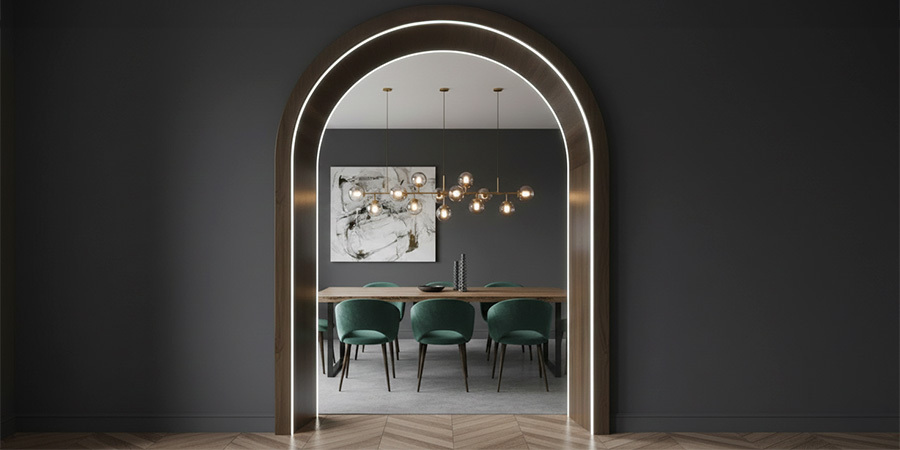
Many modern home designs—and even older ones, especially in outdoor spaces—are built around rectilinear patterns, square forms, and parallel or perpendicular lines.
This year, we recommend breaking up that geometric monotony by introducing curves with elegant, flexible lighting that can bend horizontally. Doesn’t an illuminated archway leading into the dining room or curved flower beds lit in your garden sound like a perfect fit for this year?
What to Avoid: Creating full circles or rings, as well as using ring-shaped fixtures. For safety reasons, also avoid forcing curves with standard LED strips or other lights not designed to bend.
10. Express Yourself Through Fun Lamp Shades
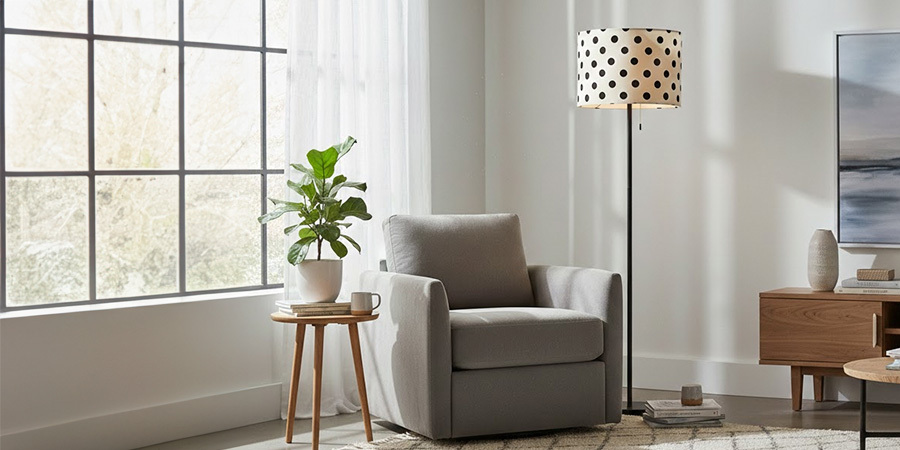
Do you love colorful patterns or polka dots? Embroidered designs? Soft pastels? In 2026, much of the color in your space—at least when it comes to lighting—will come from creative, colorful lamp shades. And hey, it never hurts to pair them with RGB bulbs offering thousands of hues to create even more striking visual effects and combinations!
What to Avoid: Overly flat lamp shades, or worse, lamps in bad shape with no shade at all.
11. Work with Lighting Pros to Create Unique Bespoke Lighting
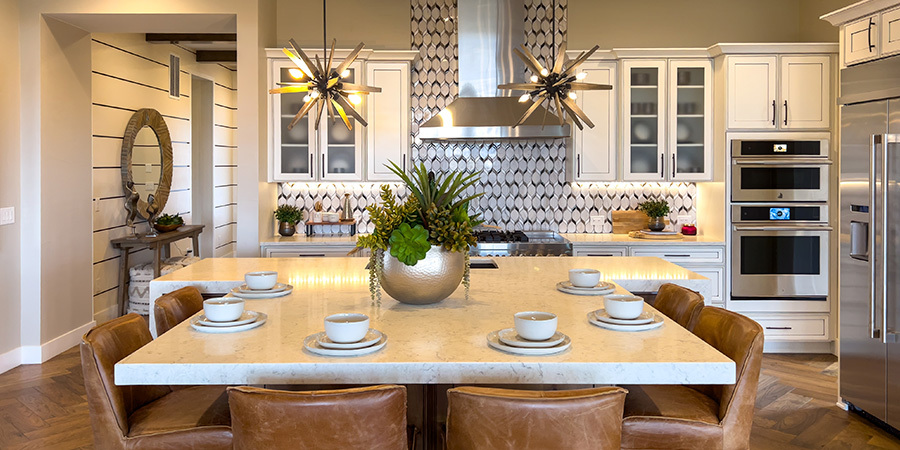
Do you want a lamp with hanging plaster spheres carved in the shape of the Star Wars Death Star? Or are you a surfer at heart, imagining a living room fixture made with high-quality LED strip lights installed in curved channels that match the shape of waves?
The ultimate way to express yourself through lighting is to create something entirely your own with the help of a lighting designer. 2026 is, without a doubt, the year of bespoke, highly customized lighting and truly one-of-a-kind spaces.
What to Avoid: Generic lighting that doesn’t immediately shout to your guests: THIS IS ME.
12. Upgrade Your Home with Expanded Smart Light Controller Options
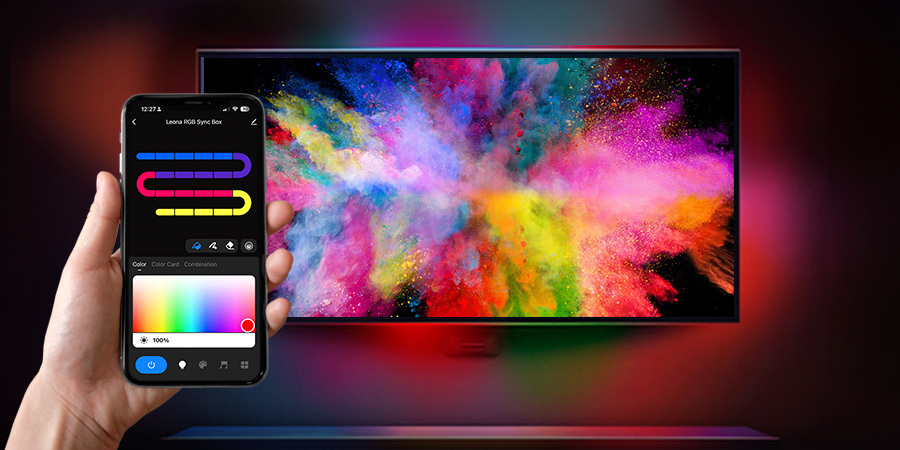
While many homes have embraced smart lighting, not everyone fully understands its benefits. To truly tap into this 2026 lighting trend, it’s essential to choose a premium system with a broad range of intelligent LED accessories.
With it, you can control your lights by voice via Google Home or Alexa, sync them with movies or games on your TV, save energy through automation, create preset scenes, schedule lighting, and manage color, brightness, and power—all from your phone.
If you already have a smart lighting system in place, this is your invitation to explore the latest advances in smart LED technology that will gain momentum this year:
- Samsung SmartThings: A new way to control smart devices throughout your home—including lighting—using a 3D map that recreates your floor plan.
- Thread: Many lights don’t rely on Wi-Fi anymore. Thread creates a dedicated mesh network just for your lights, making it faster and preventing interruptions to things like video streaming.
What to Avoid: Non-smart lighting—2026 has moved well past that.
13. Experiment Beyond the Expected with AI Lights
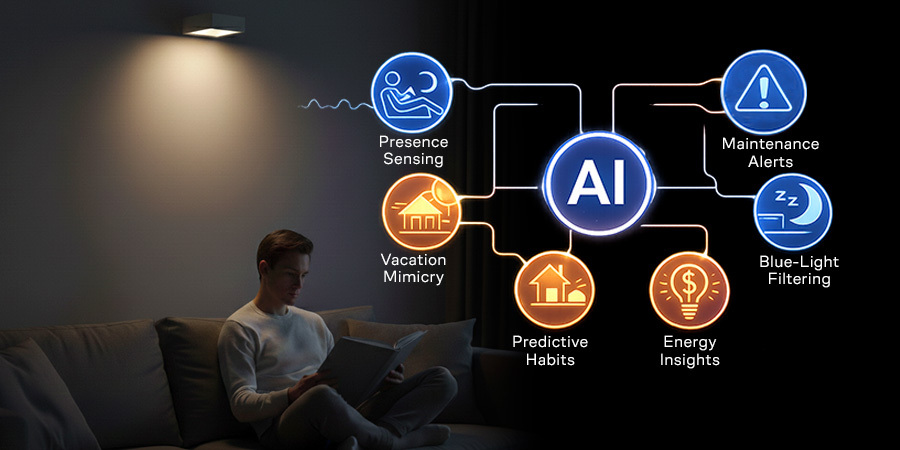
If you’re a more advanced user and want access to the very latest technology in 2026, artificial intelligence is beginning to make its way into homes. In LED lighting, it already brings several of these perks—and many more that are still largely unexplored:
- Presence Sensing: Detects your breathing or tiny movements so lights don't turn off while you're reading.
- Predictive Habits: Learns when you usually wake up or cook and prepares the lights ahead of time.
- Blue-Light Filtering: Automatically removes "harsh" light at night to protect your eyes and sleep quality.
- Vacation Mimicry: Replays your actual lighting habits while you're away to make the house look truly lived-in.
- Energy Insights: Shows you exactly how much money you’ve saved in energy.
- Maintenance Alerts: Notifies you before a bulb is about to fail.
What to Avoid: Lack of curiosity. There’s plenty of debate today around the use of AI, and for some it still sparks distrust (HAL 9000, anyone?) Still, curiosity about new advances in home lighting shouldn’t be lost, especially in a year as innovation-driven as 2026.
14. Simplify Lighting Design with Flexfire LED Strip Lights & Project Builder

One of the best things Flexfire introduced in 2025—and a must-have lighting trend carrying into 2026—is our DIY Project Builder.
Designed by people who speak your language and understand the real challenges of building a home without being a lighting expert, it guides you through just a few simple questions. From there, your cart is prepared, reviewed by a lighting pro, and ready to ship.
What to Avoid: Overly complex lighting selection processes full of jargon, or lights that simply aren’t leaders in the market.
Bring 2026 Lighting Trends to Life in Your First Project of the Year!
At Flexfire, we hold one unwavering commitment: When things start right, they should end right. That’s the mindset guiding us in 2026 and in every project we’ll build together this year. Ready to apply any of these lighting trends in your home? Contact our team of experts today, and let’s give your first home renovation of the year the strong start it deserves.